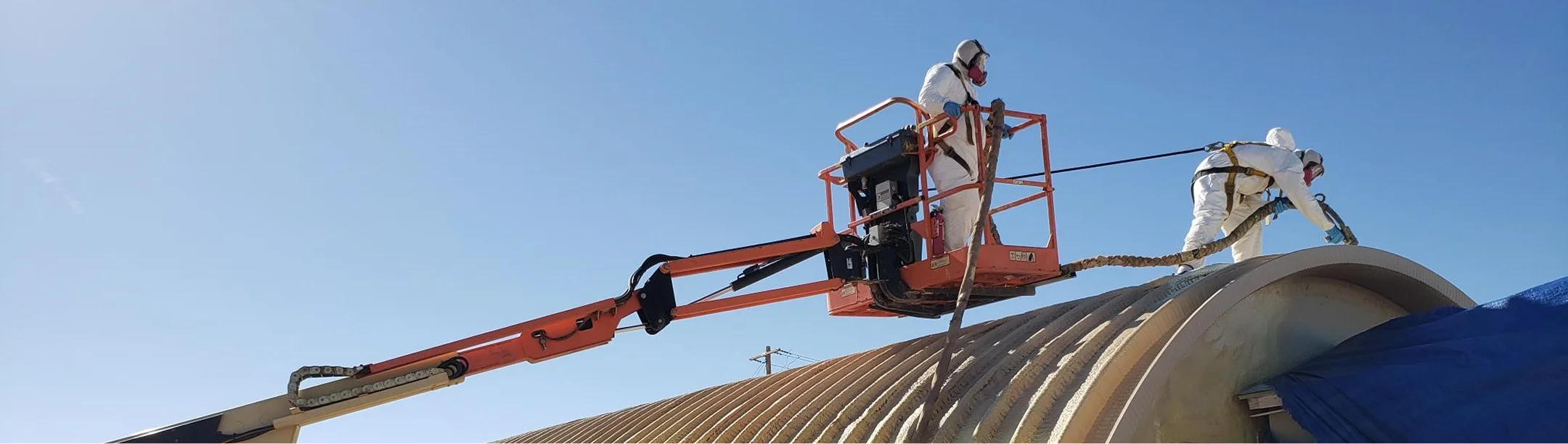
Polyurea Protective Coatings • Shipped Nationwide
Polyurea Protective
Coatings for Roofs,
Floors, Tanks & Foundations
A protective, waterproof layer sprayed straight onto the structure. Cures in seconds, no seams to leak, and stands up to water, chemicals, traffic and weather. Oak Ridge supplies contractors and businesses across the United States.
One Sprayed Layer. Waterproof, Seamless, Ready in Minutes.
Polyurea is a protective, waterproof material for residential, commercial and industrial applications. Sprayed onto roofs, foundations, decks, floors, tanks and vehicles, it cures quickly to form a protective waterproof layer that bonds to the structure underneath.
Because it is spray-applied rather than laid down in sheets or panels, polyurea follows the real shape of what it is protecting — around penetrations, into corners, up a curb and over a seam — and comes out as one continuous membrane with no joints. Joints and seams are where conventional systems leak first, so removing them removes the most common failure point.
Oak Ridge Foam & Coating Systems works with contractors and businesses across the United States and is a trusted supplier of high-quality polyurea spray coatings. We stock the coatings, the primers, the spray equipment and the technical documentation, and ship nationwide from Green Lake, Wisconsin.
Fast-set systems gel in seconds and are tack free in well under a minute. Crews finish and move on the same day instead of losing the job site to cure time.
Sprayed as one continuous film over the whole surface. No laps, no fasteners, no joints — nothing for water to find its way through.
100% solids pure polyurea membranes keep water out of roofs, decks, foundations and containment structures — and keep stored liquid in.
High elongation lets the film move with the structure instead of cracking, while abrasion resistance handles traffic, cargo and weather.
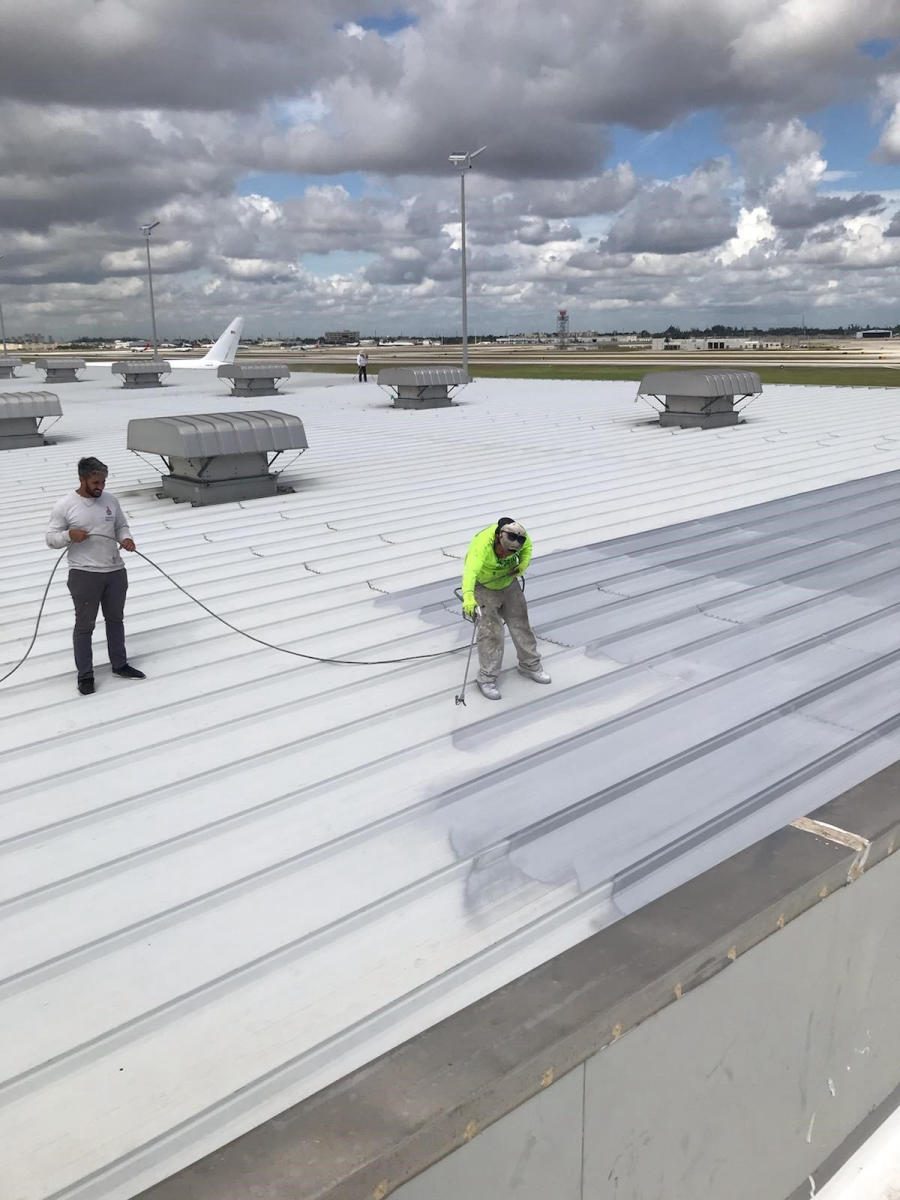
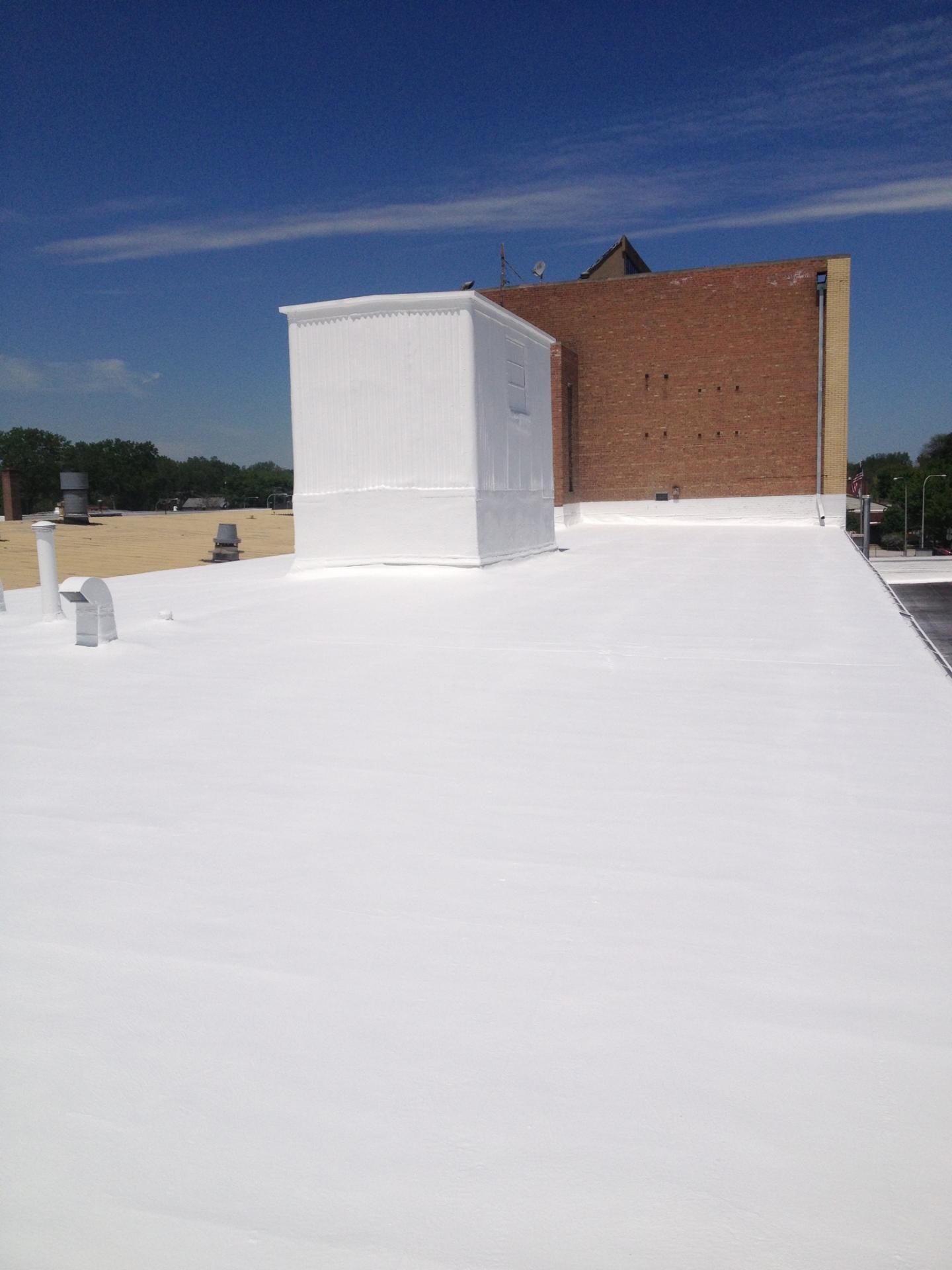
Polyurea Roof Coatings — Economical, Durable, Watertight
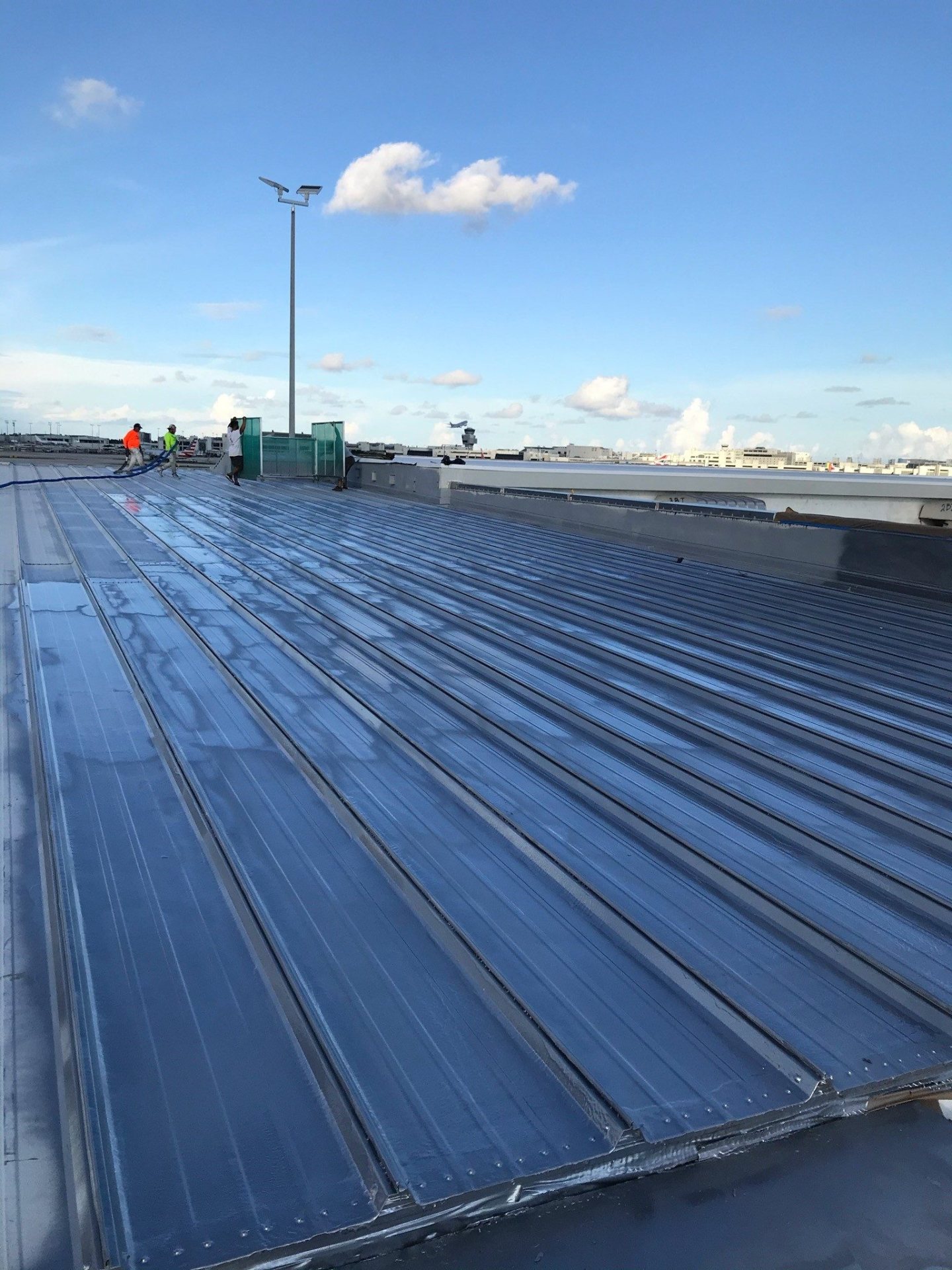
Polyurea roof coatings are an economical and durable way to waterproof, insulate and protect a wide range of roofing applications. The rapid cure means quick, efficient waterproofing on flat and low-slope roofs — a section can be sprayed and be watertight before the crew comes down.
Smooth spray application gives a continuous monolithic layer across the deck, up curbs and around penetrations, so there is no leak risk at joints and seams. That suits both new construction and roof restoration: a sound existing roof can be coated in place rather than torn off and landfilled.
The result is a roof that lasts longer, costs less to maintain, and resists water intrusion, chemical exposure and general environmental wear. Over spray polyurethane foam, a polyurea topcoat also protects the foam from UV and hail while keeping the insulation value intact.
- Rapid cure — watertight in minutes, not days, on flat and low-slope roofs
- Continuous monolithic film — no seams, laps or fasteners to leak
- Works for new construction and for restoring an existing roof in place
- Extends roof life and cuts long-term maintenance cost
- Resists water intrusion, chemical exposure and environmental wear
Polyurea Floor Coatings for New and Existing Floors
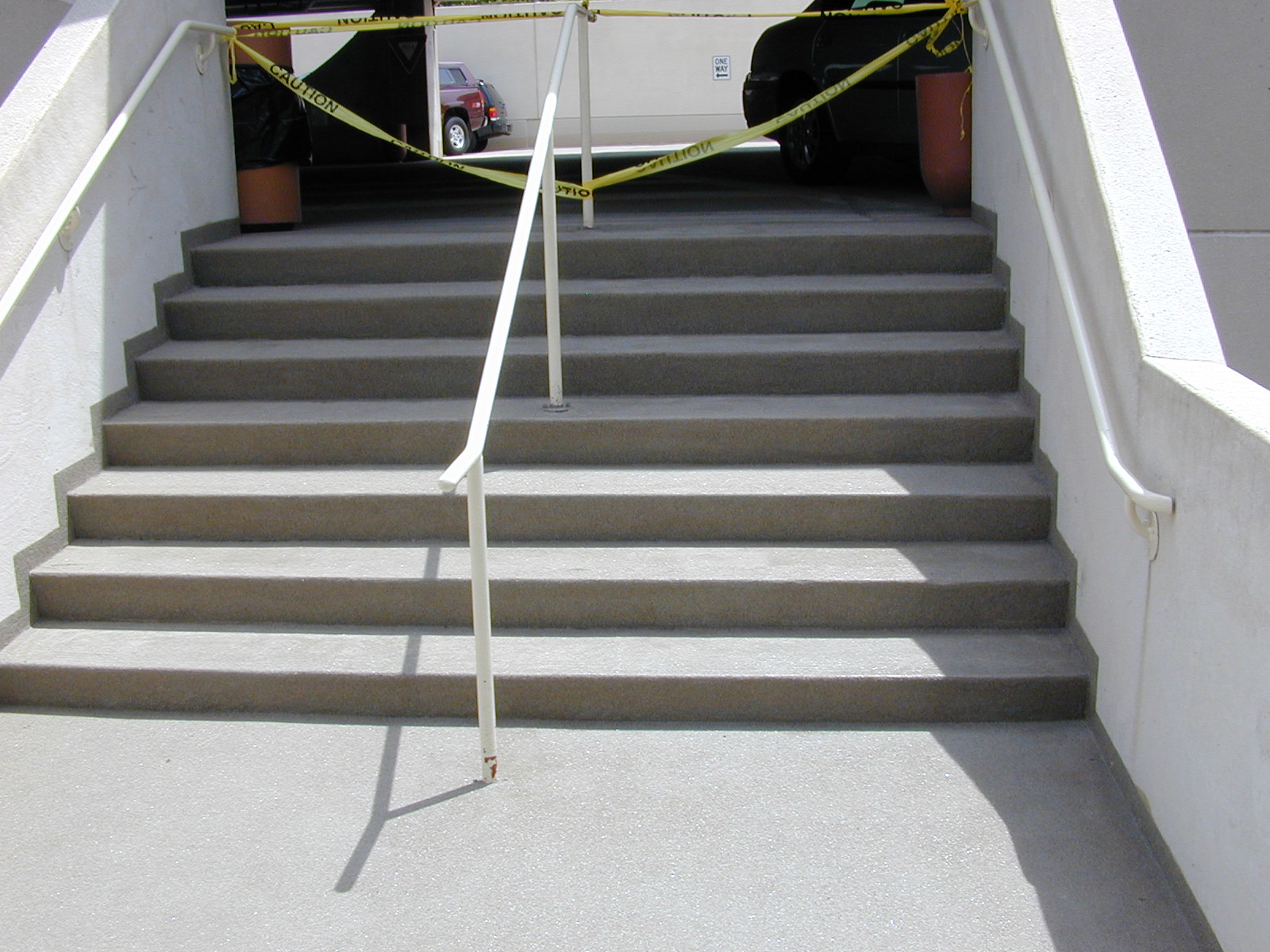
Polyurea works both as the finish on a new floor and as a protective coating laid over an existing surface. It stands up to abrasion, chemical spills and heavy foot traffic, which makes it well suited to warehouses, manufacturing plants and automotive facilities — anywhere forklifts, pallets, dropped tools and cleaning chemicals wear a plain concrete slab down.
The rapid cure is what makes it practical inside a working building. A bay can be prepped, coated and back in service with minimal downtime, instead of being fenced off for days while a conventional system cures.
Because it is sprayed rather than laid in sections, the floor comes out seamless — there are no joints to fail, collect dirt or let liquid under the coating. And the elasticity of the cured film lets it accommodate movement in the slab without cracking or peeling away.
- Resists abrasion, chemicals and heavy foot and wheel traffic
- Rapid cure means minimal downtime — back in service fast
- Seamless finish — no joints to fail or trap contamination
- Elastic film moves with the slab without cracking or peeling
- Suits warehouses, manufacturing plants and automotive facilities
Bed Liners, Truck Bodies and Marine Coatings
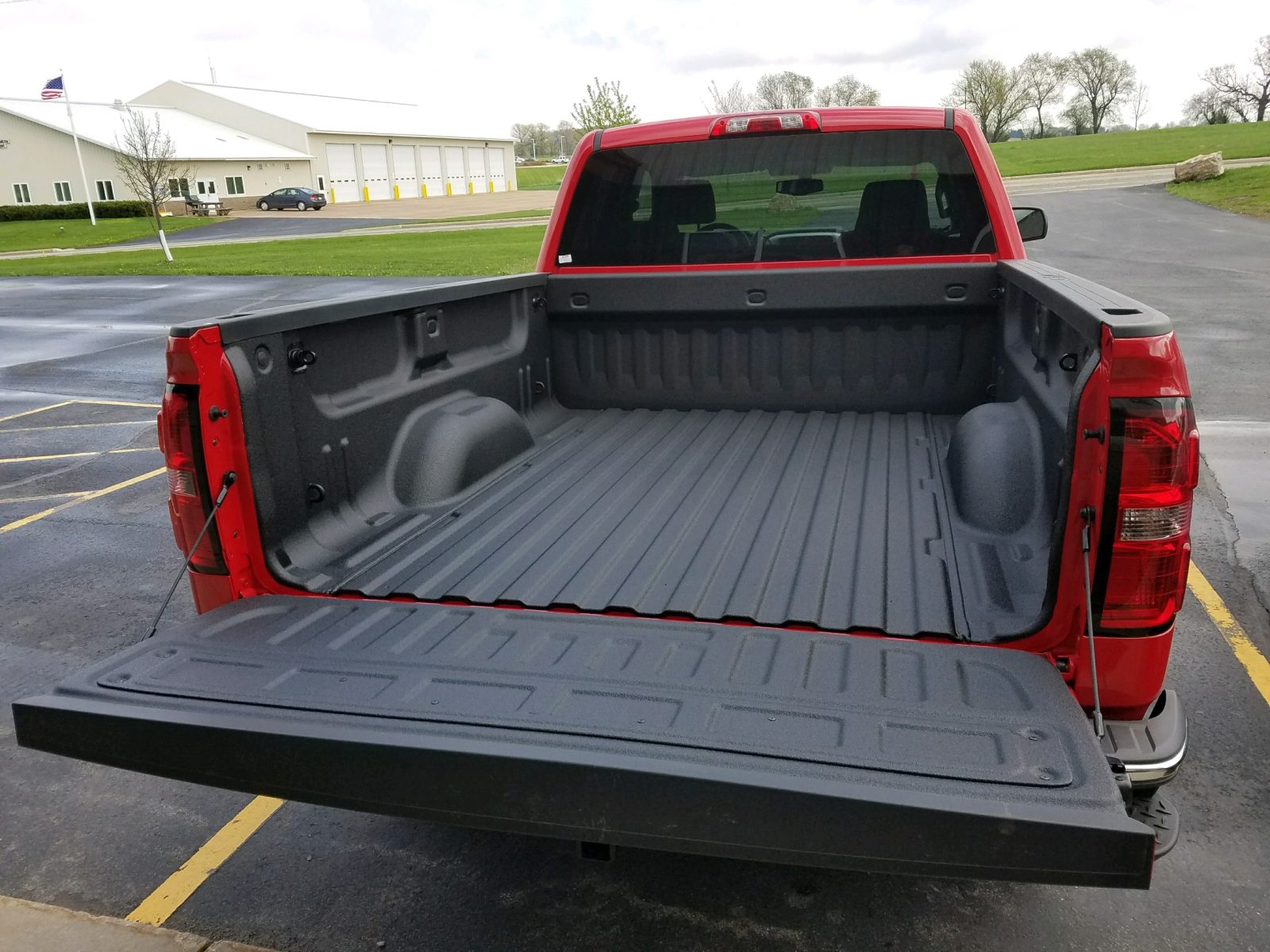
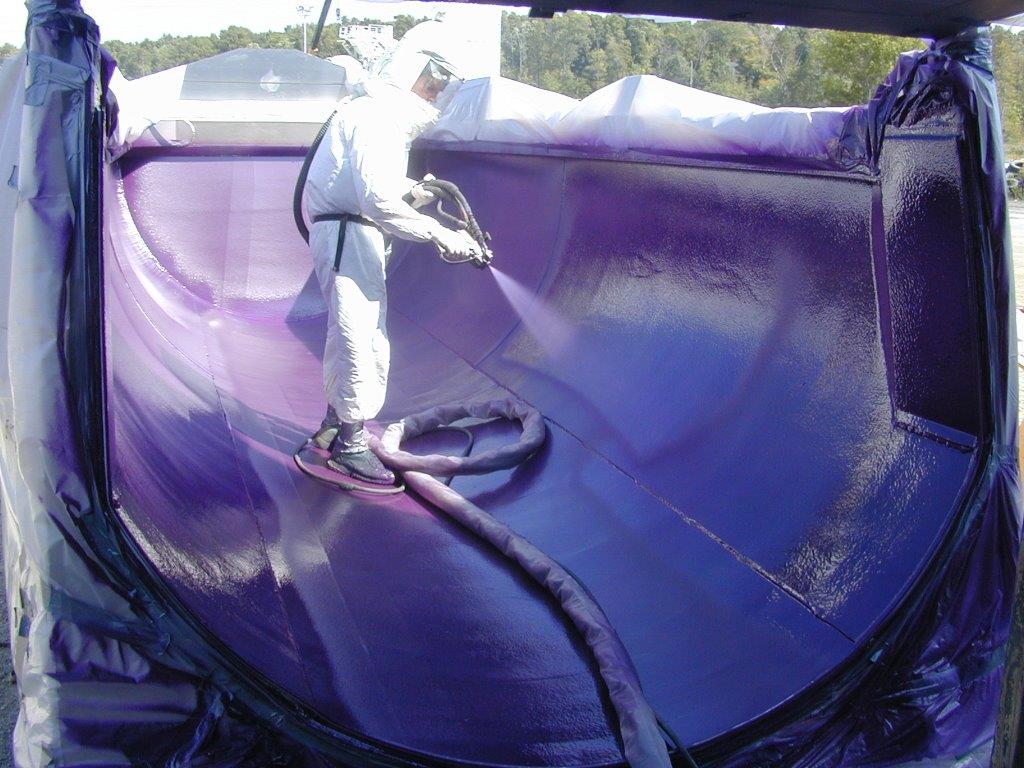
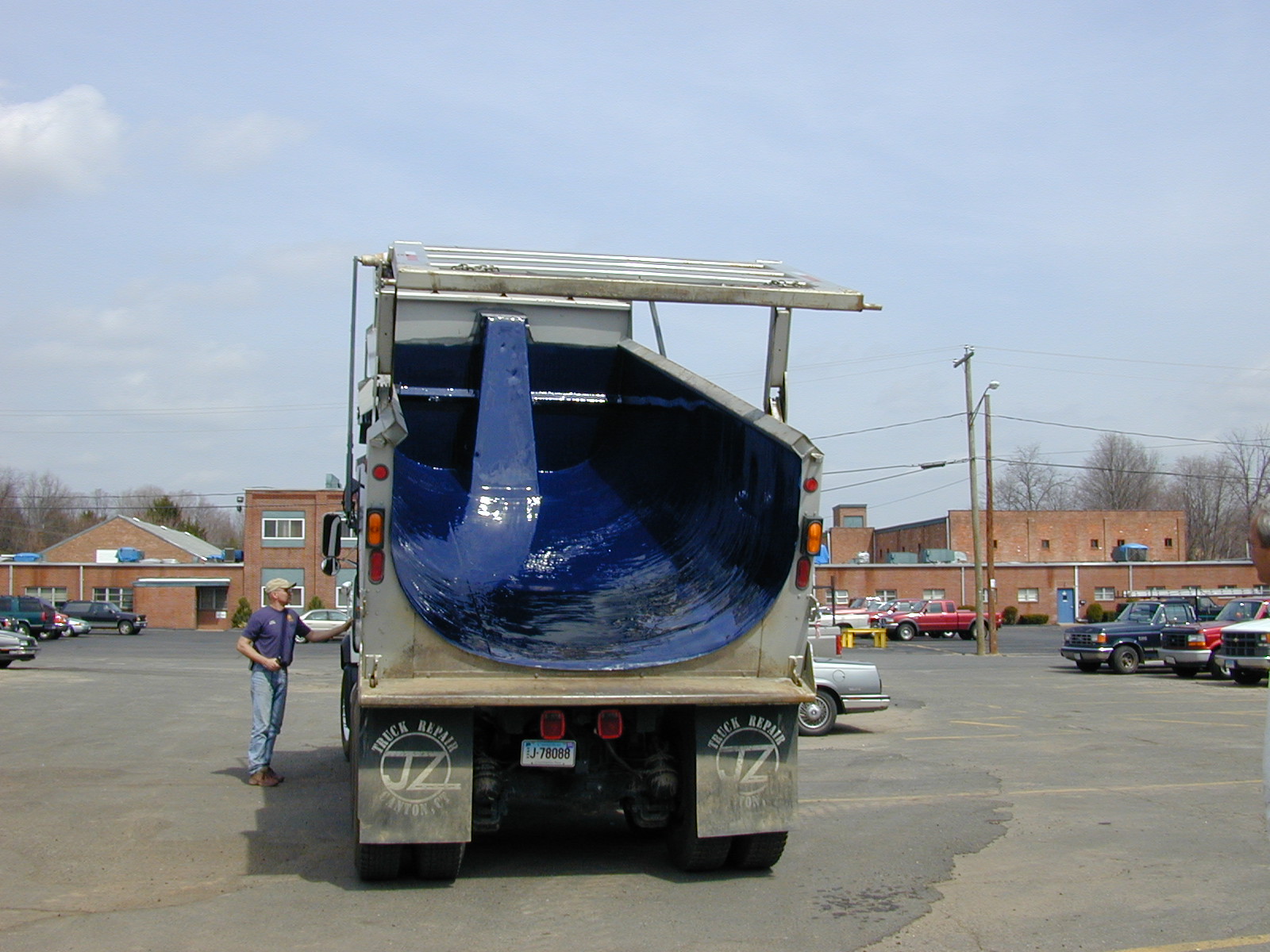
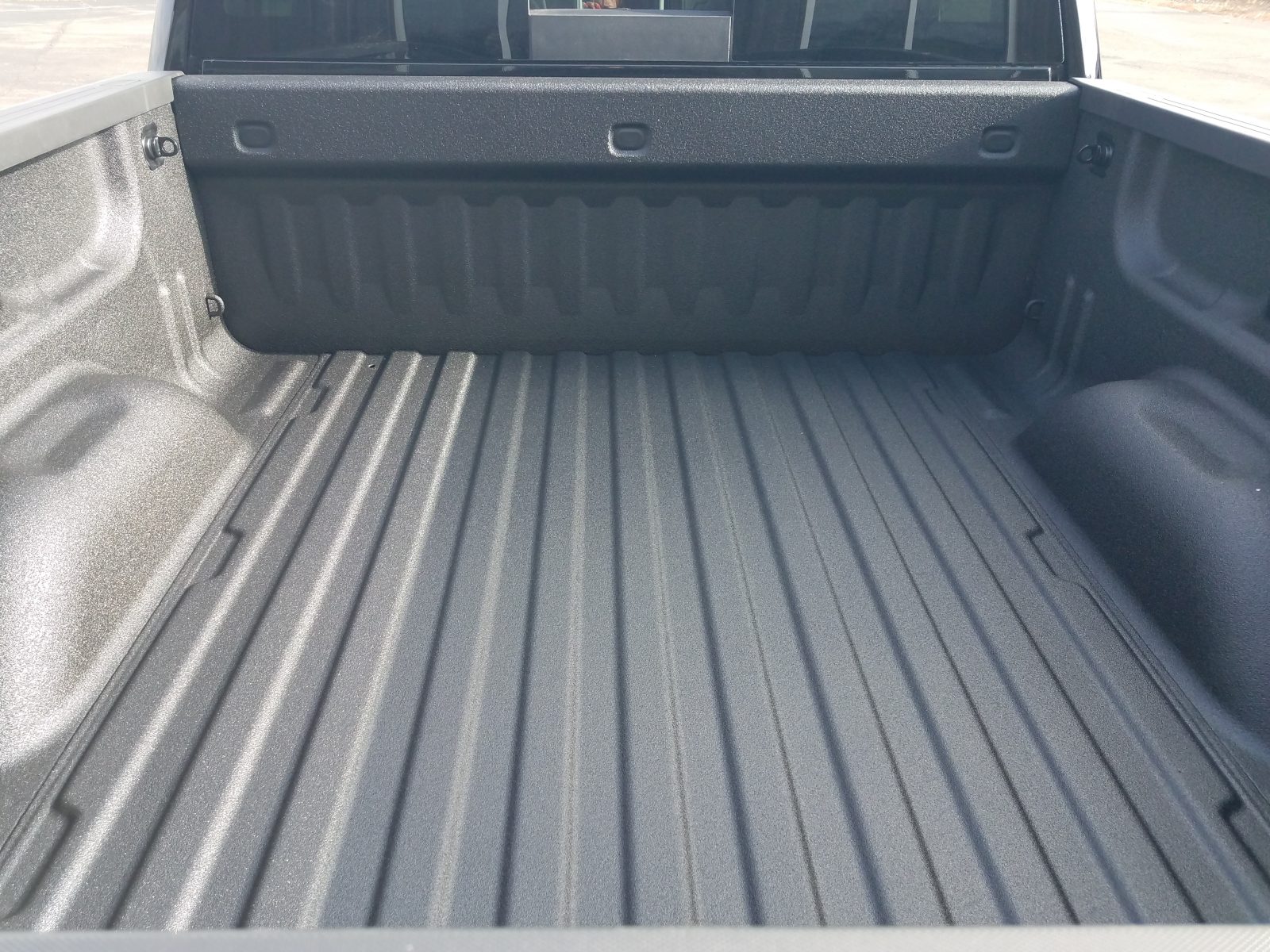
From truck bed liners to marine coatings, polyurea protects vehicles and transportation equipment from corrosion, scratches and dents. For trucks, tanks and land vehicles it gives a resilient, impact-resistant layer that takes the beating of heavy cargo, chemical exposure and weather instead of the sheet metal underneath.
In marine use, the same waterproofing that protects a roof protects boats and ships from leaks and from the corrosive effects of water and UV exposure. Where colour has to hold up in constant sunlight, an aliphatic polyurea keeps its appearance rather than chalking and fading.
The combination of flexibility and adhesion is what extends equipment life: the coating flexes with the body panel or hull instead of cracking off it, so the substrate stays sealed and maintenance and repair costs come down.
- Protects against corrosion, scratches, dents and cargo impact
- Resilient layer for truck beds, dump bodies, tanks and trailers
- Marine waterproofing against leaks, water and UV attack
- Flexibility plus adhesion — flexes with the panel, stays bonded
- Extends equipment life and cuts maintenance and repair cost
Foundation and Below-Grade Waterproofing
On foundations, a sprayed coating is a robust barrier against water infiltration and environmental stress — on new construction before backfill, and on existing foundations that are being excavated and repaired.
The seamless continuous layer shields the wall against moisture and water damage and against the corrosive elements present in soil. Nothing about it depends on overlapping sheets staying stuck together underground, where nobody will see the failure until water is already inside.
Flexibility matters here more than almost anywhere else: a foundation moves as the building settles, and the coating has to move with it without losing integrity. Combined with a quick cure that lets the crew backfill sooner, that makes the finished wall genuinely low-maintenance.
- Seamless continuous barrier against moisture and water infiltration
- Shields concrete from corrosive elements in the surrounding soil
- Flexes with natural settling without losing integrity
- Quick cure keeps the excavation open for less time
- For new foundations and for existing walls being repaired
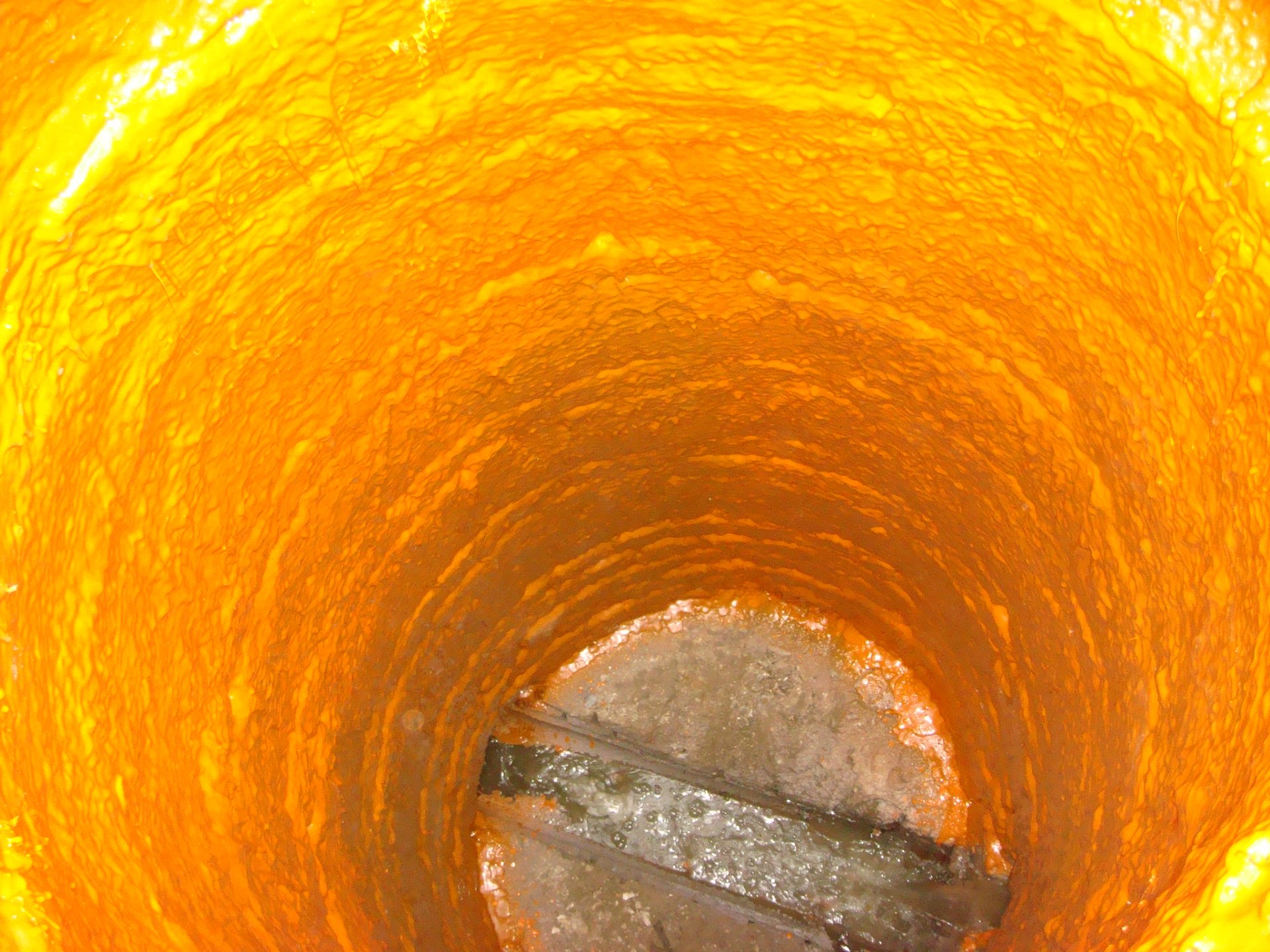
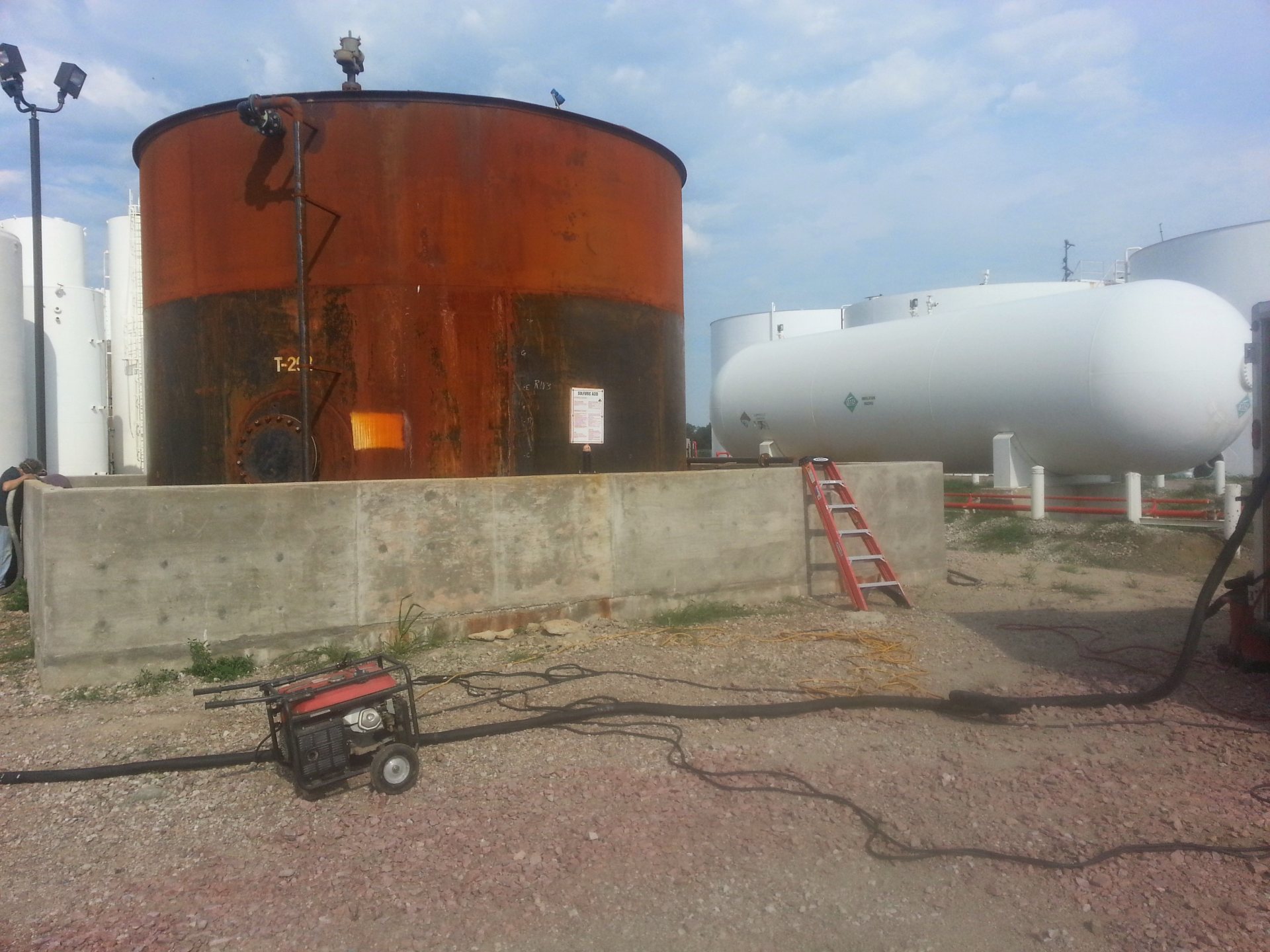
Polyurea Secondary Containment for Tanks, Berms and Chemical Storage
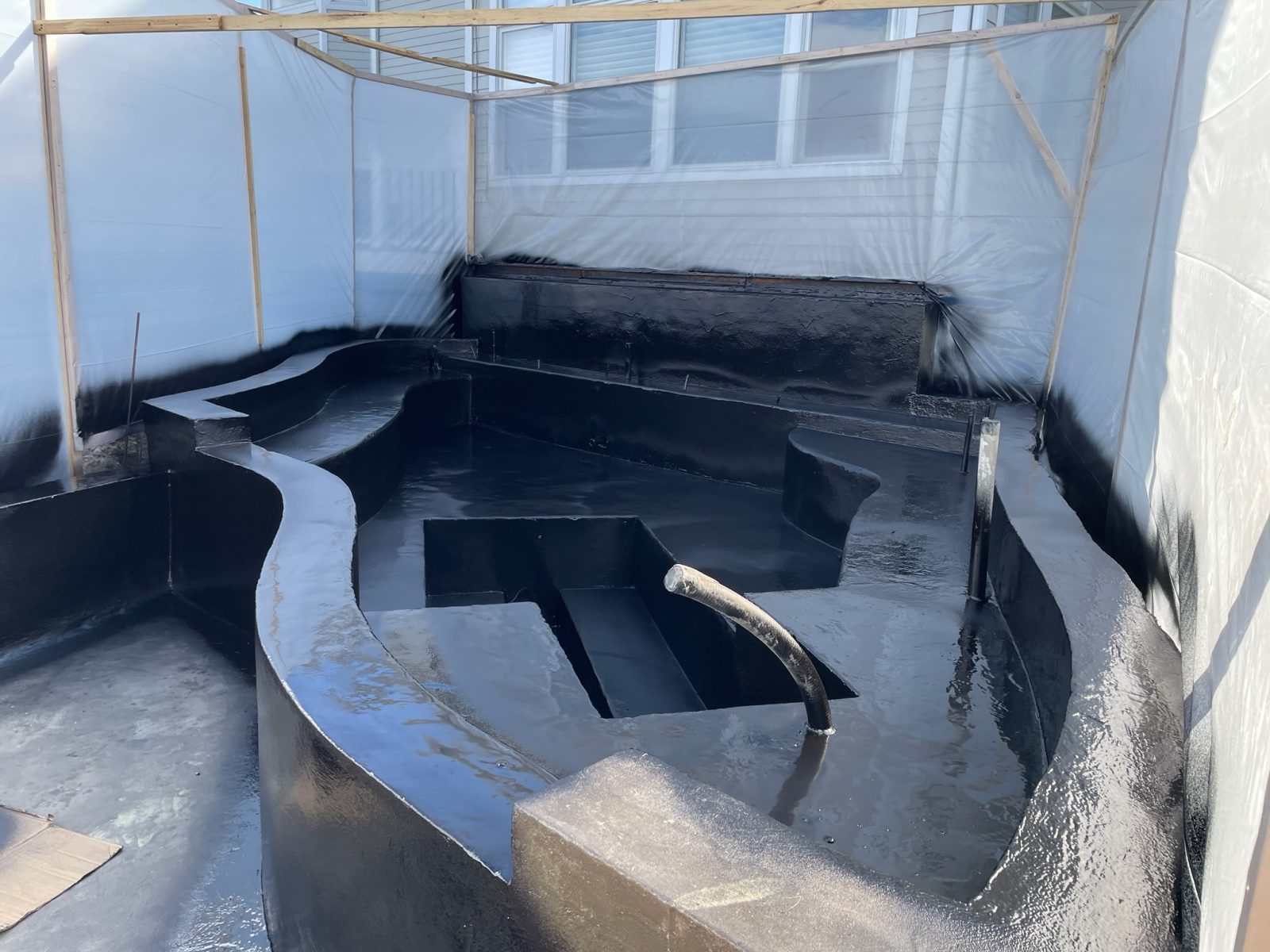
Secondary containment exists for one job: when the primary vessel lets go, the spill has to stay inside the berm. That means the liner cannot have a weak point, and on a poured concrete dike the weak points are the joints, the cold pours and the wall-to-floor transition.
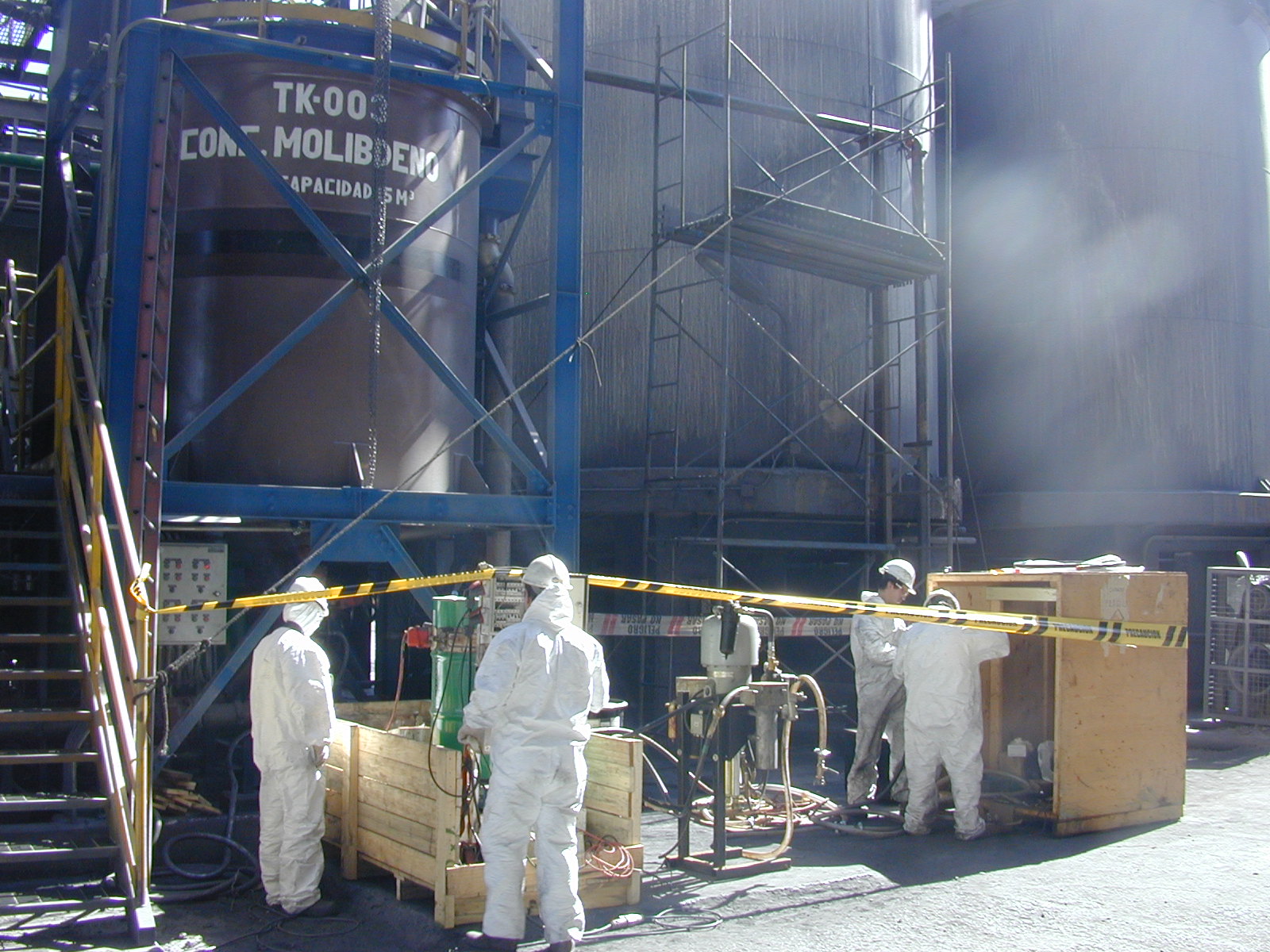
Spray-applied polyurea solves that by going on as a single fully-adhered membrane over the entire containment area — floor, walls, corners, penetrations and tank saddles — with nothing seamed or welded. It bonds to concrete and to steel, so a lined berm and a coated tank exterior can be part of the same system.
Typical work includes above-ground storage tank farms, chemical and fuel containment dikes, earthen and concrete berms, manure pits and lagoon liners, loading and transfer areas, and spill prevention retrofits. Fast cure matters here too, because containment areas usually have to come back into service on a schedule.
- Fully-adhered seamless liner — no welded seams to test or fail
- Bonds to concrete and steel: berms, dikes, saddles and tank exteriors
- Covers corners, penetrations and wall-to-floor transitions in one pass
- Tanks, berms, chemical and fuel containment, spill prevention retrofits
- Fast return to service on live sites
Which Oak Ridge Coating for Which Job
Every product below is a stocked Oak Ridge item with a published TDS and SDS. If you are not sure which one fits the substrate and exposure you are dealing with, call us — that conversation is free and it is faster than guessing.
| Product | Chemistry | Applied by | Best for |
|---|---|---|---|
| OR 80SLM Silver Lining Membrane | 100% solids pure polyurea | Plural-component spray | Metal and built-up roofs, coating over foam and EPS, pedestrian decks, external containment liners |
| OR 90WPM Waterproofing Membrane | 100% solids pure polyurea | Plural-component spray | Foundations and below-grade, concrete and steel tanks and clarifiers, buried or protected roof decks |
| OR 70SS Structural Polyurea | 100% solids aromatic polyurea | Plural-component spray | Structural protection and roofing overlays over spray foam; cures without shrinkage, long open window |
| OR 42D Aliphatic Polyurea | 100% solids aliphatic polyurea | Plural-component spray | Colour-critical exposed work: marine and submerged exposure, mining, exterior architectural coatings |
| OR 60BM Brush-On Polyurea | 100% solids pure polyurea | Brush, roller, squeegee | Detail work, terminations, touch-ups and small jobs where mobilising a spray rig is not practical |
| Badger Black | Bitumen-modified moisture-cure polyurethane | Brush, squeegee, trowel, roller, spray | Foundation and below-grade waterproofing, basement walls, bridge and structural steel — no plural rig required |
| OR93BL Bed Liner Polyurea | Two-component spray polyurea | Plural-component spray | Truck beds, trailer decks and dump bodies — 8 standard colours plus fleet colour matching |
| Flak Jacket 1 | Single-component moisture-cure polyurethane | Brush, roller or spray | Textured black bed liner coating with no plural-component equipment required |
Consult the current TDS for specification-grade data. Contact Oak Ridge for project-specific product selection and technical support.
How a Polyurea Coating Actually Goes On
Most coating failures are preparation failures, not product failures. Here is the short version of what a successful job looks like — and Oak Ridge supports every step of it, including the equipment.
Clean, sound and profiled. Concrete is mechanically prepared to remove laitance and contamination; steel is blast cleaned. Anything the coating cannot bond to has to come off first.
Porous, damp or contaminated substrates need a primer to get full adhesion. We stock OR 811 polyurea primer, OR 7001 polyurethane primer and OR E41 water-based epoxy primer, and will tell you which one your substrate needs.
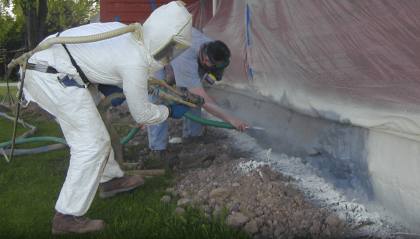
Our two-component polyurea systems process at approximately 160°F and 2,200 PSI at a 1:1 ratio through a proportioner such as a Graco Reactor or a PMC PH-series machine. Applied continuously so passes fuse rather than forming cold joints.
Verify film thickness and continuity before demobilising. Fast-set systems are tack free within seconds and typically back in service within about an hour — one of the main reasons owners choose polyurea over slower-curing alternatives.
Coatings, Equipment and Support From One Place
Oak Ridge supplies the coating and the machine that sprays it. That matters in the field: when something is off, there is nobody to point at anybody else. One phone number, one technical team, and people who have actually run the equipment on the products we sell.
Polyurea coatings, primers, sealants, cleaners and purge solvents — stocked and shipped nationwide.
Product catalog →Graco and PMC proportioners, heated hose, spray guns and parts — plus complete custom spray rigs.
Equipment & rigs →Current SDS and TDS for every product, ready to drop into a submittal package.
SDS / TDS library →Hands-on applicator training at our Green Lake, Wisconsin facility for crews entering coating work.
Training & support →Polyurea Protective Coatings — FAQ
What is the difference between polyurea and polyurethane?
Can polyurea be applied over an existing roof or floor?
How long before the coated area can be used again?
What equipment do I need to spray polyurea?
Do you ship nationwide, and do you sell to contractors only?
Tell Us What You Are
Coating.
Roof, floor, tank, berm, foundation or truck bed — tell us the substrate, the exposure and roughly how much area, and we will come back with the right product, the coverage math and a price. It takes about a minute and a real person reads every request.
Contractor insights & guides
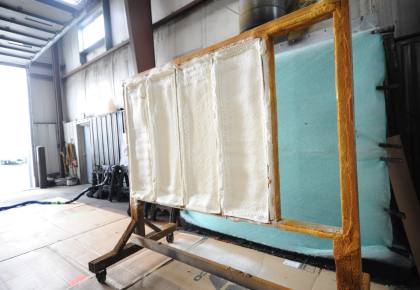
Spray Foam R-Values: What Contractors Need to Know
R-value is the single most-quoted number in insulation sales — and most contractors don't fully understand how it's calculated, why it varies between products, and how to use it in bids. This guide covers open-cell and closed-cell R-values per inch, building code requirements by climate zone, and how to calculate yield.
Spray Polyurethane Foam Insulation Safe Use & Handling Guidelines
Practical contractor guidance on Sprayed Polyurethane Foam Insulation Safe Use And Handling Guidelines including application techniques, equipment, cold weather considerations, and business tips.
What is the Best Type of Spray Foam Machine?
Choosing the right spray foam proportioner is the most important equipment decision you'll make. From Graco Reactor entry-level units to high-output PMC systems, this guide compares output, pressure, heat capacity, and total cost of ownership so you can buy the right machine for your business.