Spray Polyurethane Foam
That Performs — In Any Climate
Spray foam is polyurethane foam. Oak Ridge is a polyurethane foam supplier and distributor shipping high-yield two-component SPF systems to contractors nationwide — engineered for maximum board-feet per set, exceptional adhesion, and consistent performance from sub-zero cold to desert heat.
Spray Foam Is Sprayed Polyurethane Foam
“Spray foam”, “polyurethane foam” and “SPF” all describe the same material. SPF stands for spray polyurethane foam: a two-component polyurethane system — an A-side isocyanate and a B-side resin blend — that is metered, heated and mixed at the spray gun, then reacts and expands in place on the substrate. If a specification calls for polyurethane foam insulation and a crew calls it spray foam, they are talking about the same product.
The distinctions that actually matter are within polyurethane foam, not between the names. Closed-cell polyurethane foam is dense and rigid, gives roughly R-6 to R-7 per inch, and acts as its own vapor retarder. Open-cell polyurethane foam is light and flexible, gives about R-3.7 per inch, and is chosen for air sealing and sound control where vapor permeance is acceptable. Specialty polyurethane systems cover roofing, agricultural buildings and concrete lifting.
Oak Ridge Foam & Coating Systems is a polyurethane foam supplier and distributor. We stock closed-cell, open-cell and specialty SPF systems along with the proportioners, guns and hose that spray them, and ship to contractors across the United States from Green Lake, Wisconsin. If you are sourcing polyurethane foam by the set, by the pallet or on a standing order, that is the business we are in.
Two Different Materials, Two Different Jobs
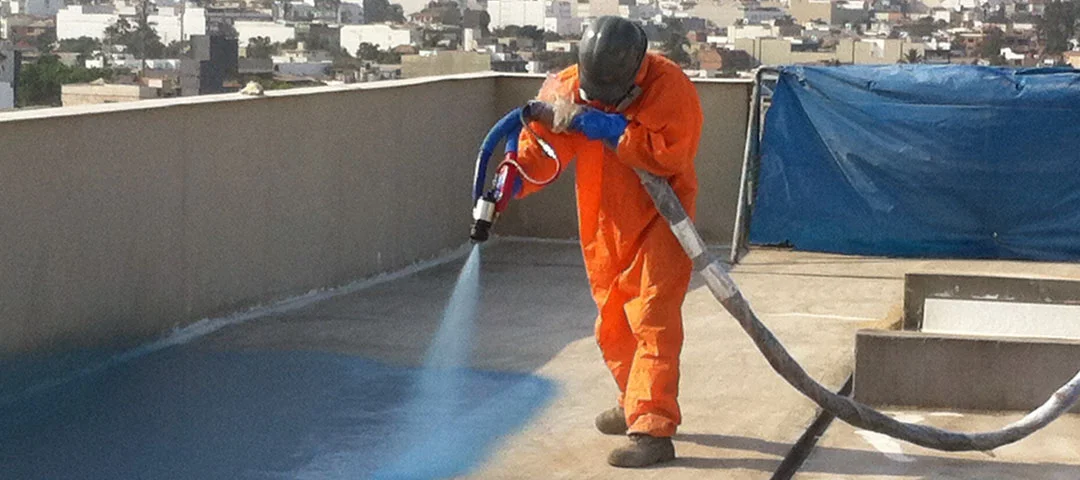
Polyurethane and polyurea get used interchangeably in the field, and they are not the same thing. The short version: polyurethane is the foam that insulates. Polyurea is the coating that protects. On a foam roof you will often find both — polyurethane foam for insulation and slope, with a polyurea or silicone topcoat over it for weathering and UV. Oak Ridge supplies both sides of that system.
Expands on contact to many times its liquid volume. Insulates, air seals and fills cavities. Measured in board-feet, R-value and density. This page.
Does not expand. Cures in seconds into a tough, waterproof, flexible film. Protects roofs, floors, tanks, foundations and truck beds. Measured in mils.
Note: a few of our hand-applied products — Badger Black waterproofing and Flak Jacket 1 bed liner — are single-component moisture-cure polyurethane coatings rather than foam or polyurea. Same chemistry family, different job again.
Why Contractors Choose ORFC Foam
Built for the Field. Proven on the Job.
More board-feet per pound means lower material cost per job. Our closed-cell systems are optimized for maximum yield without sacrificing density or R-value.
Purpose-formulated "winter blends" maintain proper cream time, rise and adhesion even when substrate and ambient temperatures drop near freezing.
Competitive material pricing, high yields, and strong dealer margins let contractors recoup equipment investment quickly and grow revenue job after job.
Technical field support, on-site training, and a direct line to our chemists. We help you troubleshoot substrate conditions, equipment settings, and application technique.
Our Foam Product Lines
The Right System for Every Application
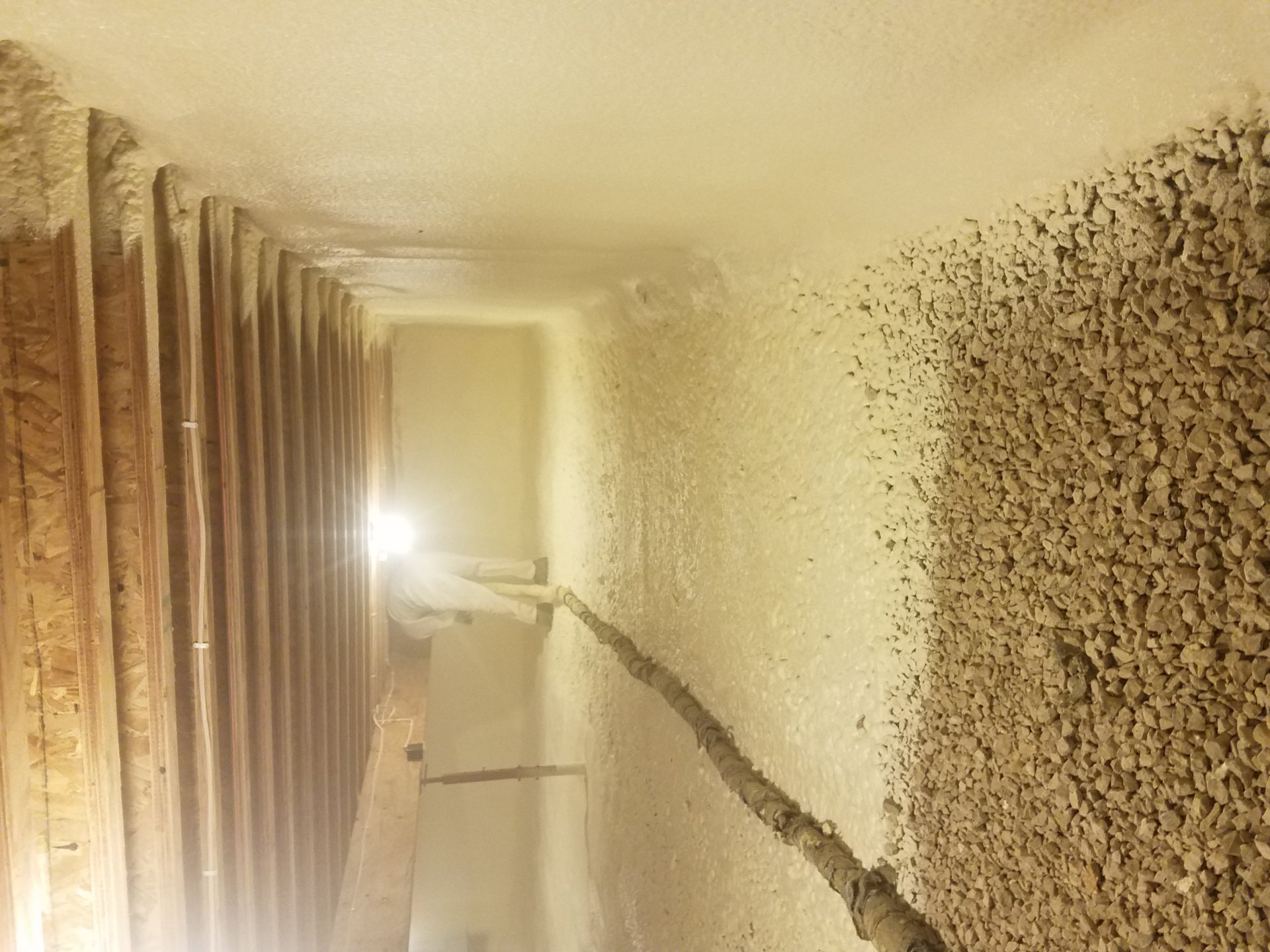
Closed-Cell Spray Foam
High-density, rigid foam delivering R-6 to R-7 per inch. Acts as both insulation and vapor retarder. Adds structural racking strength to walls and roofs. Ideal for cold storage, below-grade applications, and commercial roofing systems.
- • High yield per pound
- • Class II vapor retarder at 2"
- • Excellent substrate adhesion
- • Winter & summer blends available
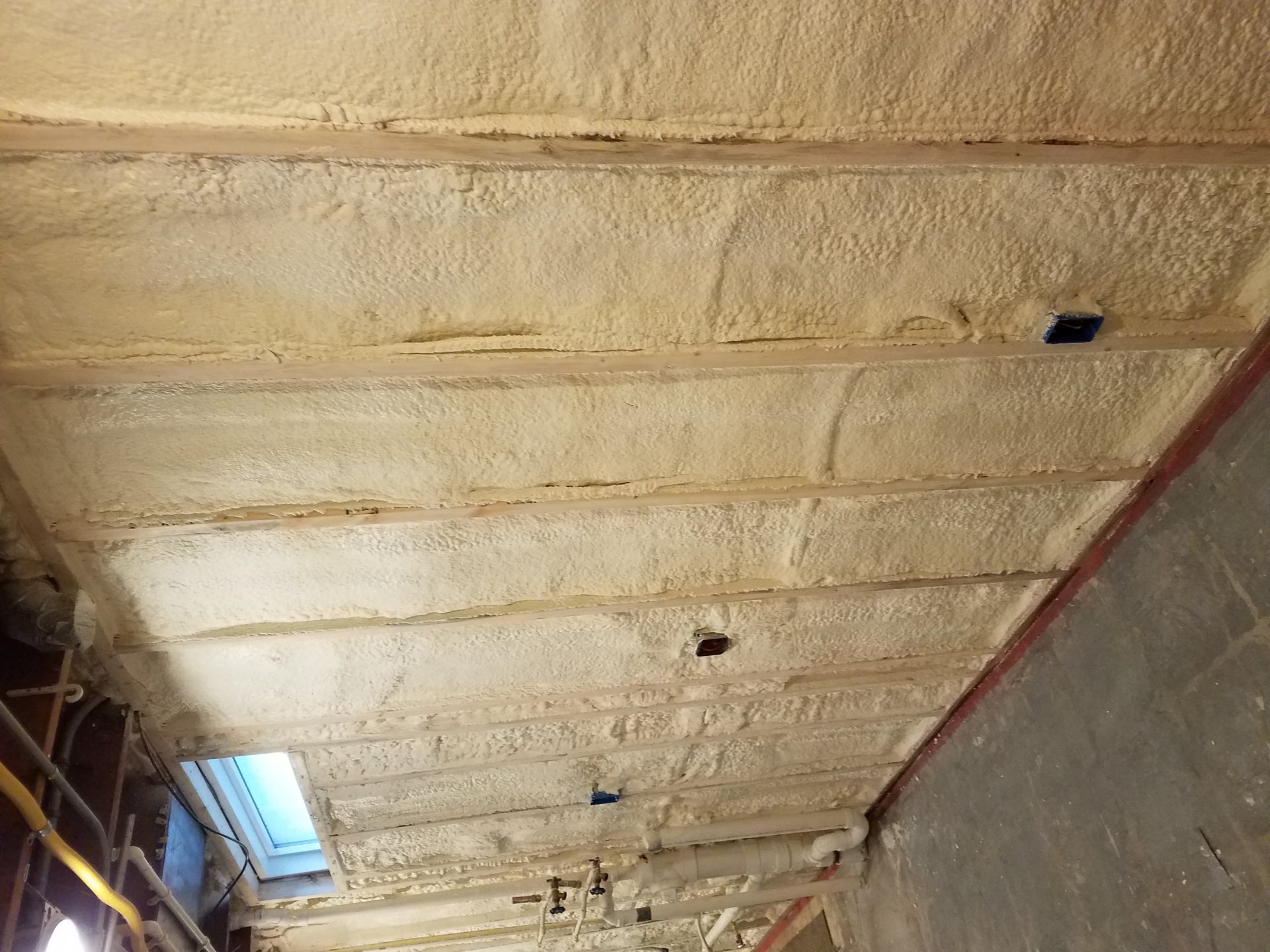
Open-Cell Spray Foam
Lightweight, flexible foam with excellent air-sealing and sound attenuation properties. Cost-effective for interior residential walls, attics, and light commercial applications where vapor permeance is acceptable.
- • R-3.7 per inch
- • Outstanding sound control
- • Low odor, water-blown formula
- • Fast spray & fill thick cavities
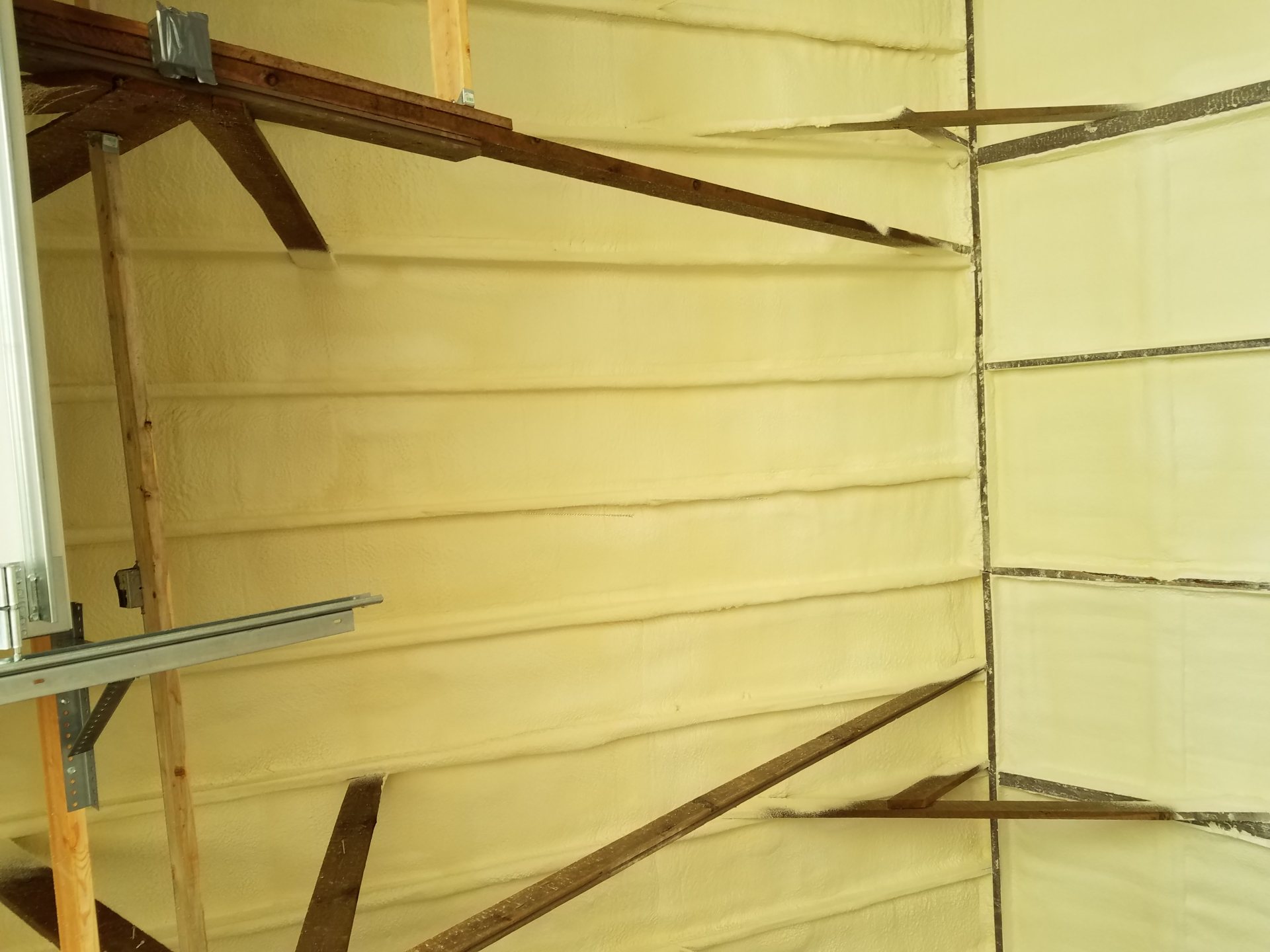
Specialty Ag & Roofing Systems
Purpose-engineered formulations for pole barns, grain bins, livestock facilities, and spray-applied roofing systems. Combines superior moisture resistance with the durability required for agricultural environments.
- • Resistant to ammonia off-gassing
- • High compressive strength for roofing
- • Compatible with polyurea topcoats
- • ORFC roofing system packages
Real-World Applications
Spray Foam Across Every Market
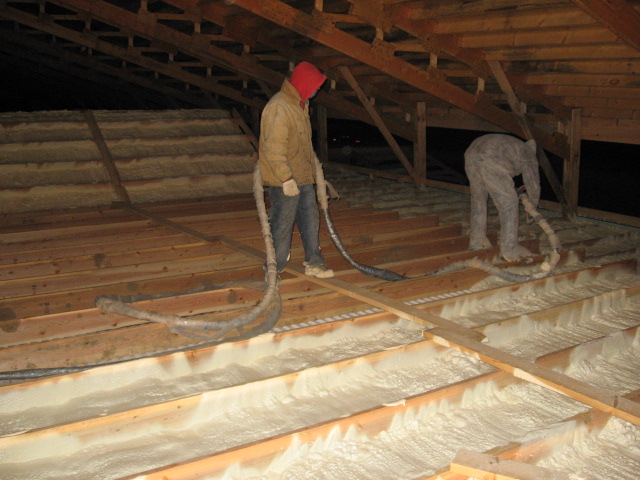
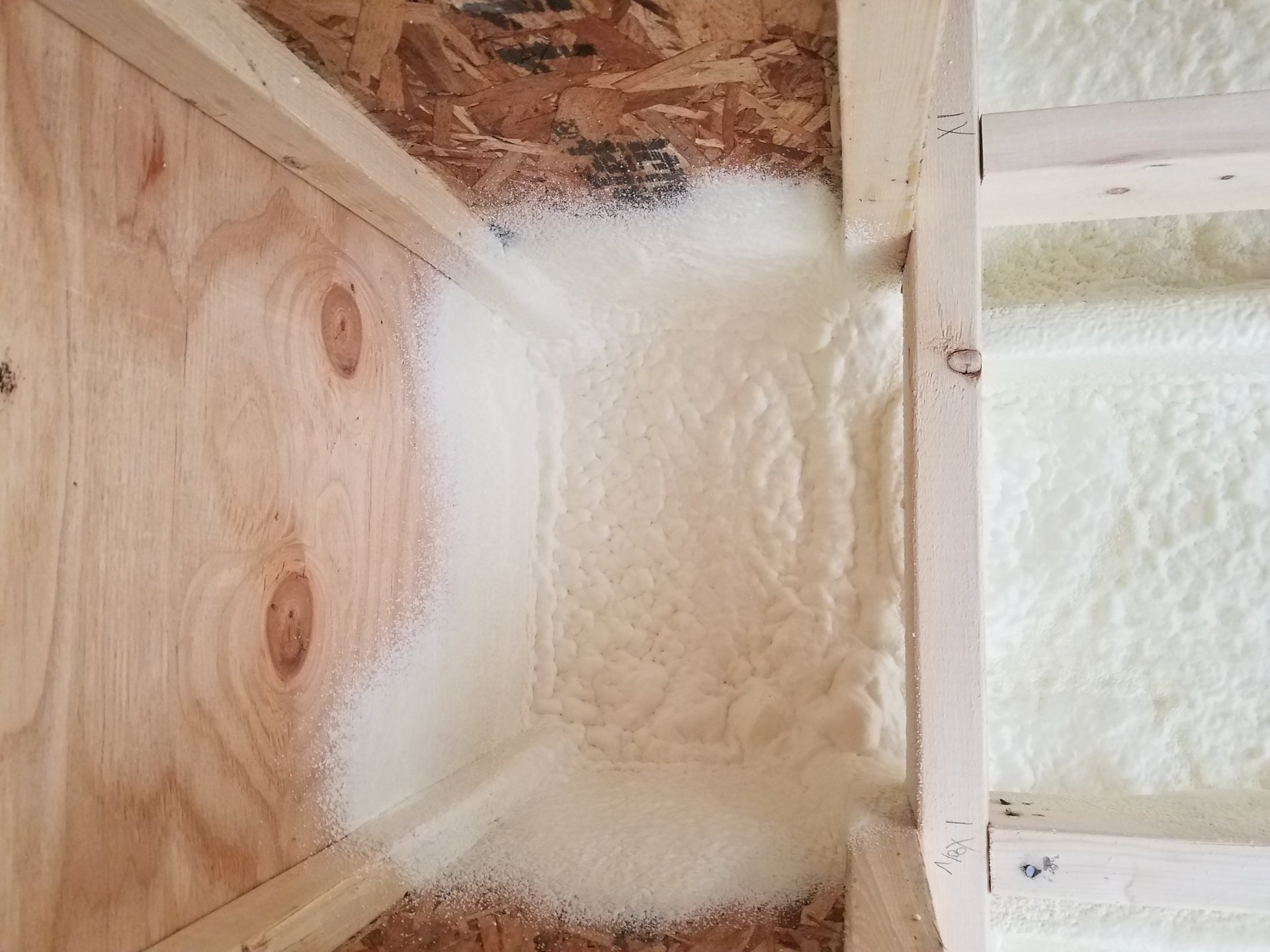
From commercial flat roofs to pole barns, cold storage vaults to tilt-up concrete walls — ORFC foam systems are field-proven nationwide.

Spray Foam Product Offerings
The NCFI Line-Up We Stock
Oak Ridge supplies NCFI Polyurethanes spray foam to contractors nationwide — open cell, HFO closed cell, roofing, concrete lifting, pour and molding foams, plus the intumescent fire barrier paints that go over cured foam. Every product below links straight to its entry in our technical document library.
Intumescent Fire Barrier Paint
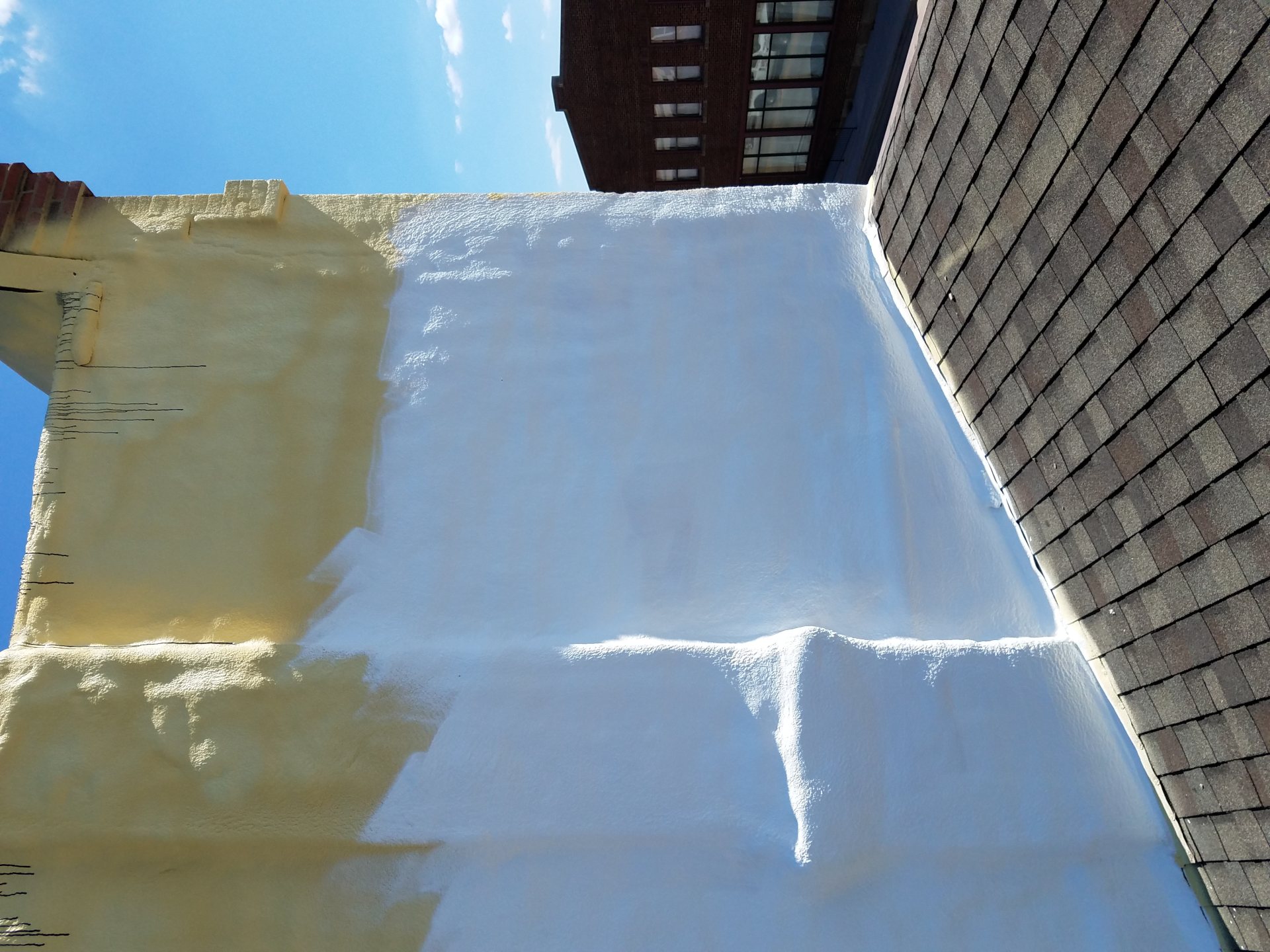
Intumescent thermal barrier coatings applied over cured spray foam where gypsum board is impractical.
- No-Burn Plus ThB TDS
Open Cell Foam
Light-density, air-sealing foam for cavities, attics and sound control.
- 2.8# NCFI 10-016 Data Sheet
- 0.75# NCFI 12-075 — InsulStar Light TDS
Closed Cell Foam
HFO-blown rigid foam for high R-value per inch, moisture control and structural stiffness.
Roofing Foam
High-density roofing foam for spray-applied roof systems that are then coated.
- 2.8# NCFI 10-011 data sheet on request
- 2.8# Roofing Foam HFO 10-016 SDS
Concrete Lifting Foam
Structural lifting foam for slab raising, void filling and soil stabilization.
Pour Foam
Rigid pour-in-place foam for flotation, cavity filling and buoyancy work.
- 2.2# NCFI 21-070 Data Sheet
Molding Foam
High-density molding and tooling foams for parts, patterns and rigid detail work.
- 6# NCFI 22-069 TDS
- 10# NCFI 22-063 TDS
Tech Bulletins
Field guidance our reps issue on request — call or email and we will send the current revision.
- HFC to HFO changeover Applicator bulletin
- Reentry time — open cell bulletin on request
- Reentry time — closed cell bulletin on request
Searching for NCFI spray foam? Oak Ridge stocks and ships the NCFI line nationwide. Call 800-625-9577 for current pricing, yields and lead times.
Intumescent Fire Barrier Paint
No-Burn Plus ThB — The Thermal Barrier That Goes Over Your Foam
No-Burn Plus ThB is a water-based intumescent coating designed to be applied directly over cured spray polyurethane foam. “Intumescent” describes what it does in a fire: instead of simply resisting flame, the coating reacts to heat by swelling into a thick insulating char. That char slows the transfer of heat into the foam behind it, buying time before the foam becomes involved in the fire.
Why code makes you cover the foam
Spray polyurethane foam is a combustible plastic. Building codes therefore require foam installed inside a building to be separated from the occupied space by an approved thermal barrier. The default barrier is gypsum board — and on a flat, framed wall, gypsum is fine. In crawl spaces, attics, rim joists, metal buildings, storage structures and any assembly with awkward geometry, hanging board over sprayed foam is slow, expensive, or physically impossible. That is the gap an intumescent thermal barrier coating fills: it follows the contour of the foam and can be sprayed or rolled by the same crew, on the same visit.
Which coating, at what thickness, over which foam, in which assembly — that combination is what gets listed and what your inspector will ask about. Confirm the assembly with the authority having jurisdiction before you bid the job, and work from the current data sheet rather than memory.
It goes on after the foam cures
The thermal barrier is not part of the foam pass. Let the foam cure, then apply the coating to clean, dry, sound foam by airless spray or roller, observing the manufacturer's substrate and ambient temperature limits, film thickness and dry times.
Coverage
Required film thickness and the resulting coverage rate change with the foam type and the assembly being protected, so there is no single number worth quoting here. The coverage chart and the full application requirements live on the No-Burn Plus ThB data sheet — request it below, or call and we will walk through your assembly with you.
Not sure whether an intumescent thermal barrier or gypsum board suits the assembly? Ask us — we will point you at the right sheet.
Key Products
Foam System Reference
Full SDS, TDS, and application guides available in our resources library. Contact us for current pricing and yield data sheets.
| Product | Type | Density | Best For | Documents |
|---|---|---|---|---|
| NCFI InsulStar 1.7 | Closed-Cell (HFO) | 1.7 pcf | Commercial walls, roofing, cold storage | Product & TDS |
| NCFI InsulBloc HFO | Closed-Cell (HFO) | 2.0 pcf | Metal buildings, commercial envelopes, below-grade | Product & TDS |
| Foamsulate 220 | Open-Cell | 0.5 pcf | Residential interiors, attics, sound control | Product & TDS |
| NCFI TerraThane 2.8 | Geotechnical (closed-cell) | 2.8 pcf | Concrete lifting, void fill, soil stabilization | Product & TDS |
All physical properties tested per ASTM standards. Contact ORFC for current yield charts, certifications, and code-compliance documentation.
Contractor insights & guides
Spray Foam R-Values: What Contractors Need to Know
R-value is the single most-quoted number in insulation sales — and most contractors don't fully understand how it's calculated, why it varies between products, and how to use it in bids. This guide covers open-cell and closed-cell R-values per inch, building code requirements by climate zone, and how to calculate yield.
This Cookie Doesn’t Crumble…
Practical contractor guidance on This Cookie Doesnt Crumble including application techniques, equipment, cold weather considerations, and business tips.
How to Become a Spray Foam Insulation Contractor: 6 Steps
Breaking into spray foam contracting is more accessible than most trades, but success requires the right training, equipment, and business fundamentals. This guide walks through every step from certification to your first paying job.
Ready to Build Your Business?
Start your spray foam business right.
Get materials + equipment + training.
Oak Ridge is your single source for spray foam materials, Graco & PMC equipment, custom rigs, and hands-on applicator training. One call gets you everything you need to be profitable from day one.