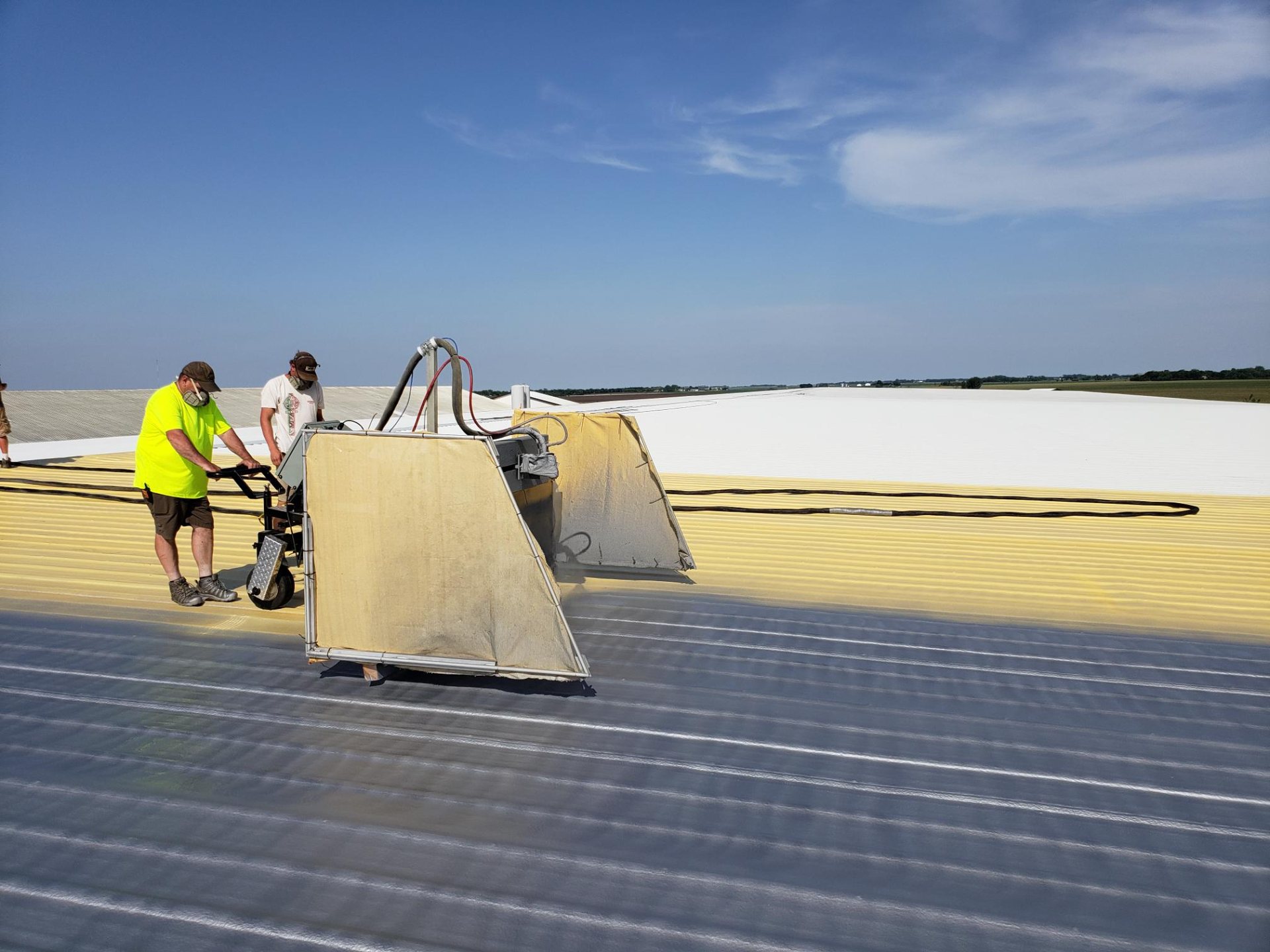
How to start your own spray foam or coatings business
Seven ways into the trade, what each one really costs in equipment and skill, and where a supplier who has been doing this since 1984 can actually help.
So you want to spray for a living.
If you have been watching spray foam and coating crews work and thinking "I could do that" — you probably could. It is a real trade with real margins, and there is genuine demand in every state. But it is not a side hustle you start on a Saturday with a credit card.
We have supplied and equipped applicators since 1984. Below is what the different paths into this business actually look like, what each one needs, and where we fit in. No franchise fees, no territory you have to buy, no promises about what you will earn. Just what the work takes.
It takes real capital
A plural-component rig is the single biggest cost in this trade. Our own startup cost guide puts a full spray foam launch in the six figures once you add the vehicle, equipment, chemical, insurance and working capital. Smaller entry points exist — but there is no version of this where the equipment is cheap.
You need a proportioner and heated hose
Foam and polyurea are two-component materials that have to be heated, pressurized and metered at ratio. That means a proportioner, a heated hose, a compressor, a generator and transfer pumps. There is no shortcut around the machine — and no substitute for maintaining it.
Licensing and insurance are not optional
Contractor licensing varies by state and county — check your state licensing board before you quote anything. Plan for general liability, workers' comp, commercial auto and coverage on the equipment itself. Chemicals, ladders and other people's buildings are involved.
Training saves you money
Bad passes, wrong temperatures and poor substrate prep waste material and create callbacks — and material is the expensive part. Our applicator training is a one day, hands-on course at our Green Lake, WI facility, with on-site crew training available.
One honest note before you go further: we sell equipment and materials, so we have an obvious interest in you starting. That is exactly why the numbers on this page point at our own published cost breakdowns rather than a sales pitch. Read them, get a couple of quotes, talk to applicators already working in your area, and go in with your eyes open.
Pick the trade before you pick the rig.
These are all spray-applied trades and several share the same machine — but they need different skills, different prep, different customers and different insurance. Be honest with yourself about which one you actually want to sell.
Spray Foam Insulation
The largest and most familiar route in. You spray open-cell foam for interior walls, sound control and attic bases, and closed-cell foam where you need structural rigidity, higher R-value and moisture resistance — exterior walls, crawlspaces, basements, metal buildings, pole barns, cold storage and ag structures. Work is driven by energy codes and retrofits, so demand tracks construction and remodeling activity.
- Equipment it needs
- Plural-component proportioner (Graco Reactor, PMC), heated hose, foam gun, generator, compressor, transfer pumps, respirators and PPE, plus a trailer or box truck to carry it.
- What Oak Ridge supplies
- InsulBloc HFO and InsulStar 1.7 closed-cell, Foamsulate 220 open-cell, TerraThane 2.8 lifting foam, No-Burn Plus ThB intumescent thermal barrier.
- Barrier to entry
- Highest equipment bar of the seven, but the deepest customer pool. Closed-cell and open-cell need different gun chambers and different technique.
Roof Coatings & SPF Roofing
Two related trades. SPF roofing sprays foam over an existing deck and then protects it with a topcoat — you are selling insulation and waterproofing in one pass. Roof restoration coats an aging metal, single-ply or built-up roof with silicone, acrylic or polyurea instead of tearing it off. Building owners like it because it avoids a full replacement and the disruption that comes with it.
- Equipment it needs
- For foam roofing, the same plural rig you would use for insulation. For silicone and acrylic restoration you need a high-pressure airless capable of at least 3,500 PSI at the gun head — a different, cheaper machine. Polyurea membranes need the heated plural rig.
- What Oak Ridge supplies
- OR 80SLM Silver Lining Membrane pure polyurea (Miami-Dade tested, UL 2218 Class 4 hail), OR 74LS and OR 93HS silicone, ORACR42 acrylic, OR 7001 primer.
- Barrier to entry
- Roof work means heights, weather windows and liability. Silicone restoration is the most accessible entry point in this whole list if you already own an airless.
Polyurea & Protective Coatings
The industrial end of the trade. Secondary containment berms, chemical and fuel tanks, manure pits and lagoon liners, pipe exteriors, mining and process equipment, heavy-wear industrial floors. Customers are plants, municipalities, co-ops and industrial contractors — fewer jobs, larger tickets, and specifications that have to be met exactly.
- Equipment it needs
- Heated plural-component rig running around 160°F block and hose temperature at 2,200+ PSI, 1:1 ratio. Surface prep is half the job: blasting, grinding and profiling gear matter as much as the spray equipment.
- What Oak Ridge supplies
- OR93BL high-build 100% solids polyurea, OR 42D aliphatic color-stable polyurea, OR 60BM brush-on polyurea, OR 811 and OR E41 primers.
- Barrier to entry
- Highest technical bar. Fast-set chemistry is unforgiving and specs are written down. Expect to prove yourself before a plant hands you a containment job.
Floor Coatings
Residential garages and basements, commercial warehouse and shop floors, parking structures, walkways and balconies. This is the trade with the shortest path from "no experience" to "first paying job", because a large share of the work is roller and squeegee applied rather than sprayed. It is also the most crowded, so your finish quality and your scheduling are what separate you.
- Equipment it needs
- Concrete grinders and shot blasters, dust extraction, mixing gear, squeegees and spiked rollers. Traffic-bearing polyurea deck systems and fast-set floors need the plural rig; epoxy and polyaspartic garage work generally does not.
- What Oak Ridge supplies
- OR E41 water-based epoxy primer and coating, OR93BL traffic-bearing polyurea membrane, Concrete Mender 2.0 for cracks, spalls and joints, OR 42D aliphatic color-stable topcoat.
- Barrier to entry
- Lowest equipment barrier here, but prep failures show up as delamination months later. Learn concrete before you learn coatings.
RV & Camper Roof Coatings
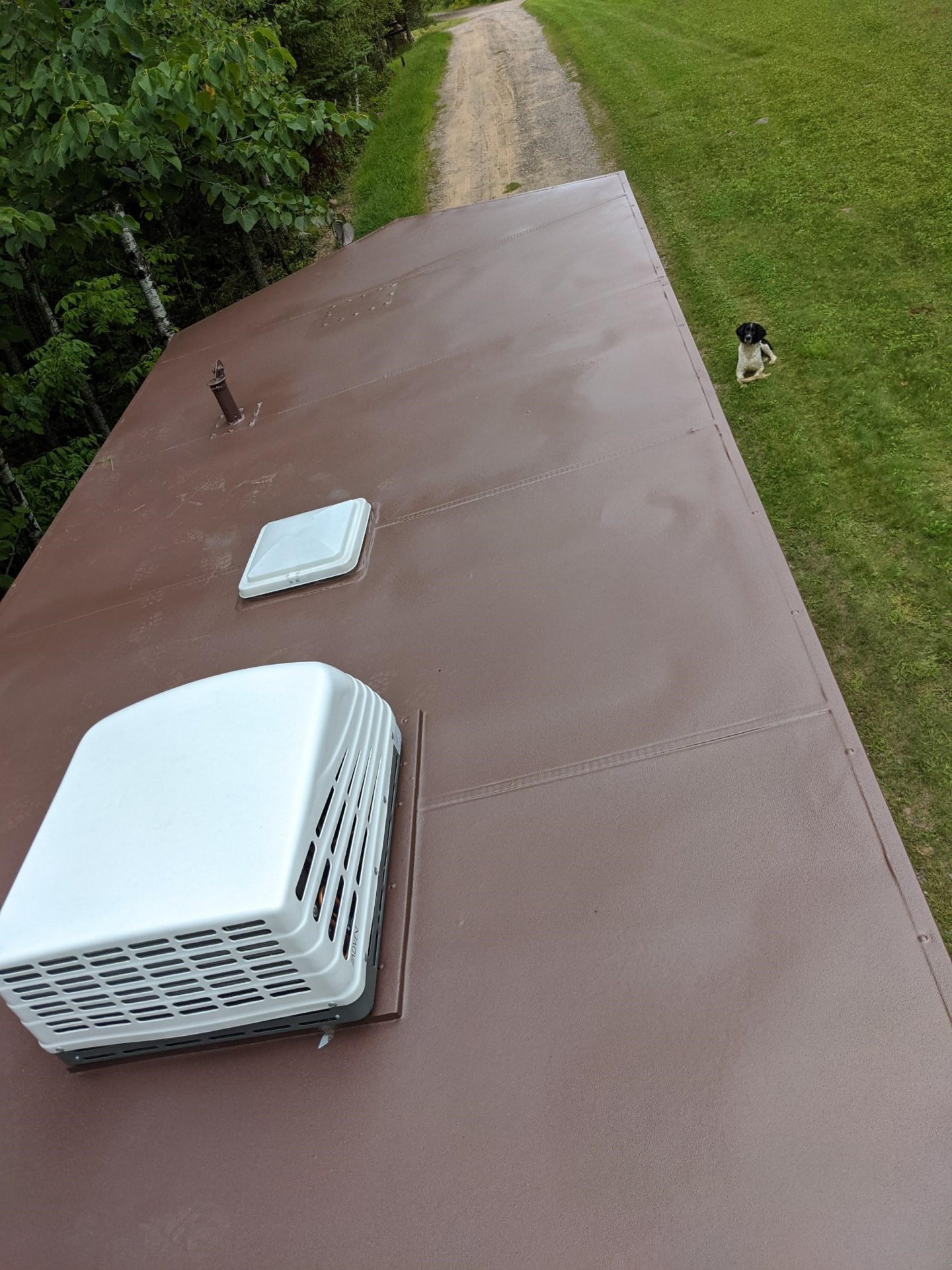
RV and camper roofs fail at the seams, vents and terminations long before the rest of the unit is finished. A seamless coating over a cleaned, primed roof is far cheaper than a membrane replacement, which makes it an easy sell to owners and to dealerships and storage yards with units on the lot. Seasonal, repeatable, and it pairs neatly with a trailer and marine customer base.
- Equipment it needs
- Cleaning and prep equipment, sealant gun, and either an airless for coating or a plural rig depending on the system. The smallest footprint on this list — several applicators run it out of a van.
- What Oak Ridge supplies
- OR 7001 single-component polyurethane primer for the tie coat, Alasta Seal 100% solids polyurethane sealant (ASTM C920) for seams, terminations and penetrations, then the appropriate roof coating over the top.
- Barrier to entry
- Low barrier, low ticket per job. Volume and turnaround are the business model, not the individual sale.
Truck Bed Liners
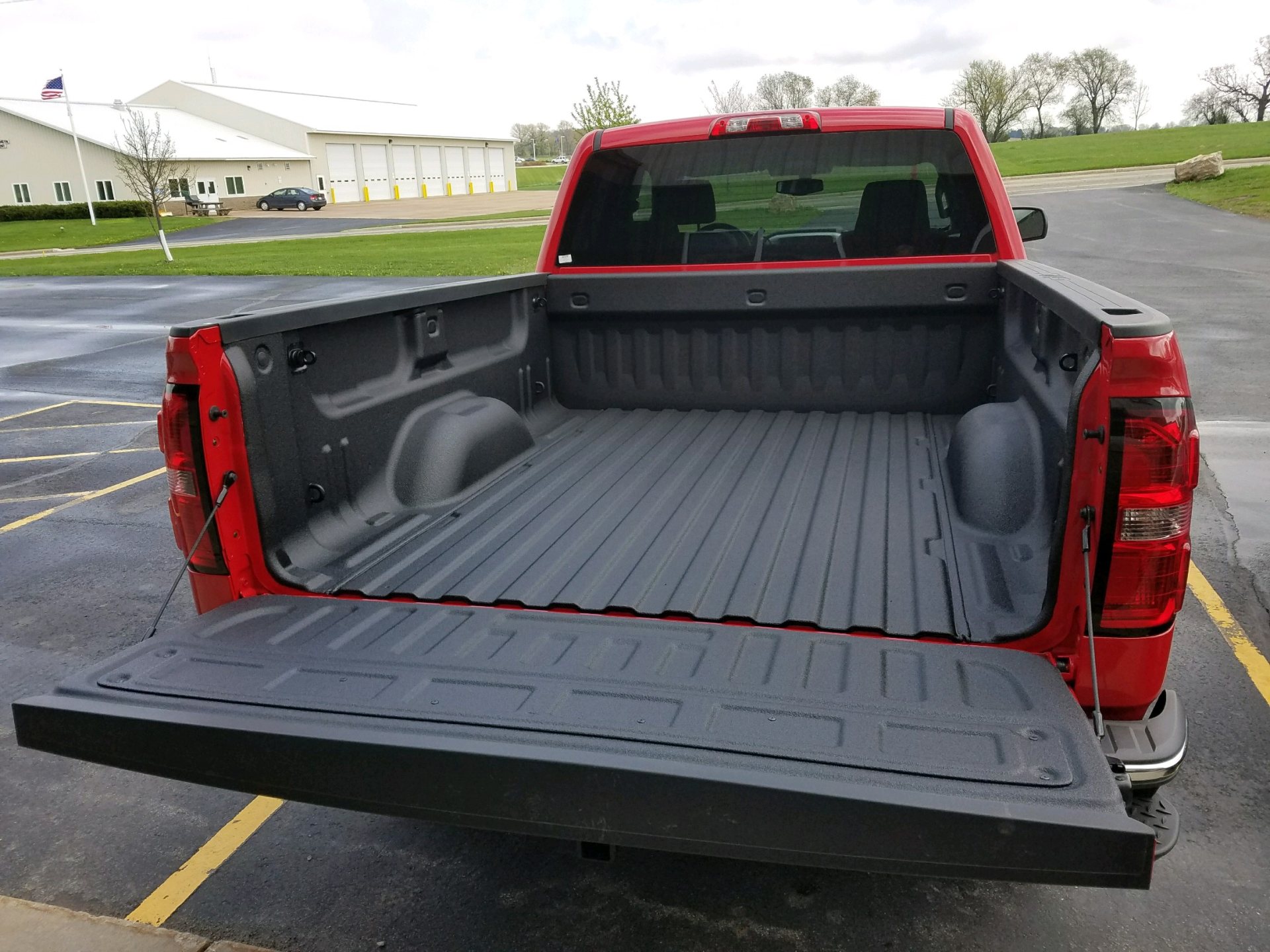
Spray-in bed liners for pickups, plus trailer decks, dump bodies, utility vehicle cargo areas and fleet work. Walk-in retail keeps the lights on between larger jobs, and fleet accounts — municipalities, contractors, farm operations — are where the repeat volume is. A bay, good masking discipline and a clean finish is most of the business.
- Equipment it needs
- Flak Jacket 1 is single-component and moisture-cured, so it needs no plural equipment at all — that is a genuine low-cost way in. The two-component OR93BL polyurea system needs the plural rig, and gives you color and a harder-wearing film.
- What Oak Ridge supplies
- Flak Jacket 1 textured polyurethane (black only, roughly 80 sq ft per gallon), OR93BL two-component polyurea bed liner in 8 standard colors with fleet color matching.
- Barrier to entry
- Easiest of the seven to start if you begin with the single-component product. Margins per job are modest; the upsell is fleet contracts and trailer work.
Rust Proofing & Metal Protection
Corrosion is a maintenance budget line item for anyone who owns steel outdoors. Metal roofs, containment and storage tanks, grain and fertilizer handling equipment, hoppers, conveyors, livestock trailers and ag machinery all degrade from the inside out. A high-build elastomeric membrane over properly prepared steel stops it — and the customer is comparing your price against replacing the asset, not against paint.
- Equipment it needs
- Plural-component rig plus serious surface preparation: abrasive blasting or aggressive mechanical profiling, containment for the blast media, and dew point monitoring.
- What Oak Ridge supplies
- OR93BL high-build 100% solids polyurea membrane — 5,630 PSI tensile, 140% elongation, gels in 6–8 seconds, applies down to 32°F rising and 6°F above dew point, light traffic in 2 hours. OR 811 primer where the substrate needs it.
- Barrier to entry
- Prep is the entire job. A perfect coating over a poorly prepared surface fails, and it fails visibly. Ag customers are seasonal and word of mouth travels fast in both directions.
The overlap is the opportunity
One heated plural-component rig will run closed-cell foam, polyurea containment, roof membrane, traffic-bearing deck coating and two-component bed liner. That is why most established applicators do not stay in one lane — the machine is already paid for, so a second trade is mostly a new material, new prep knowledge and a new customer list. Buy the rig for where you intend to be in three years, not for your first job.
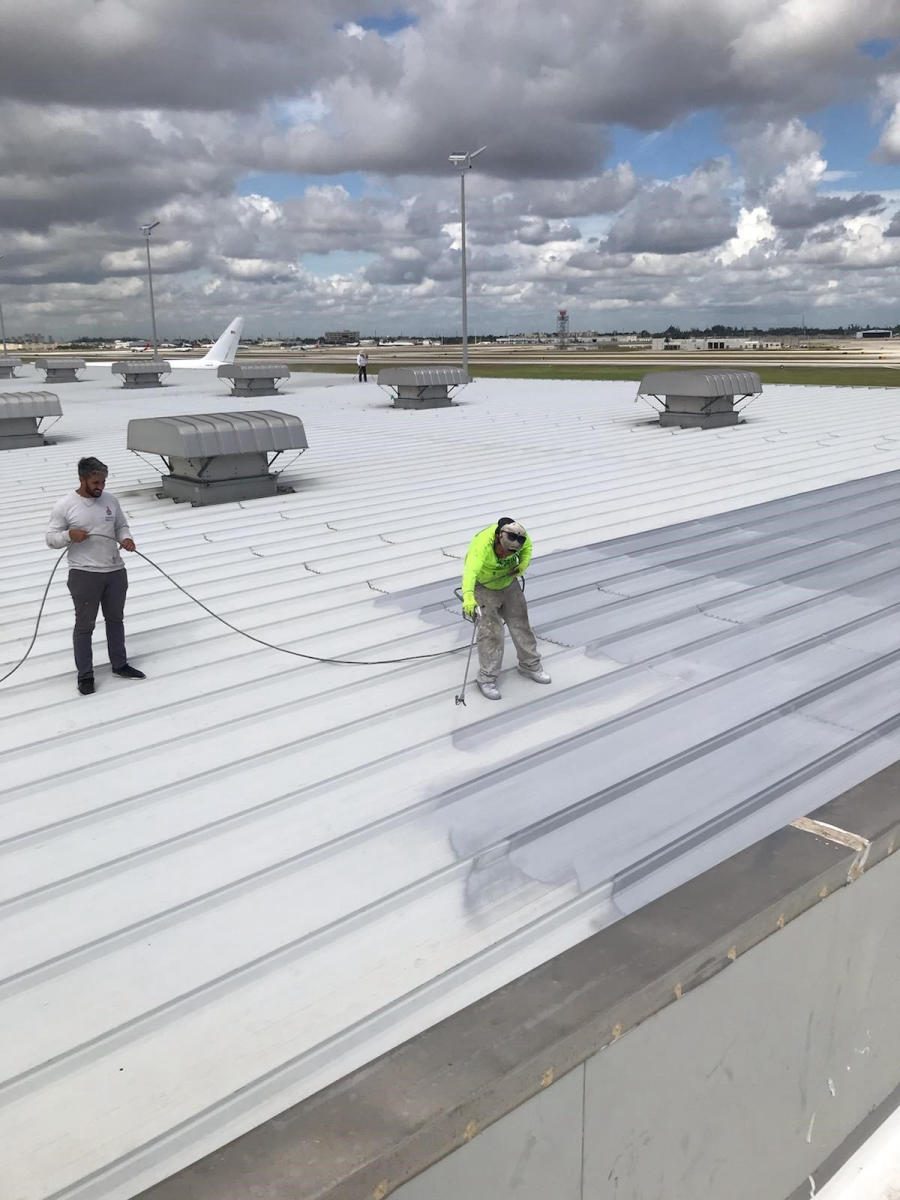
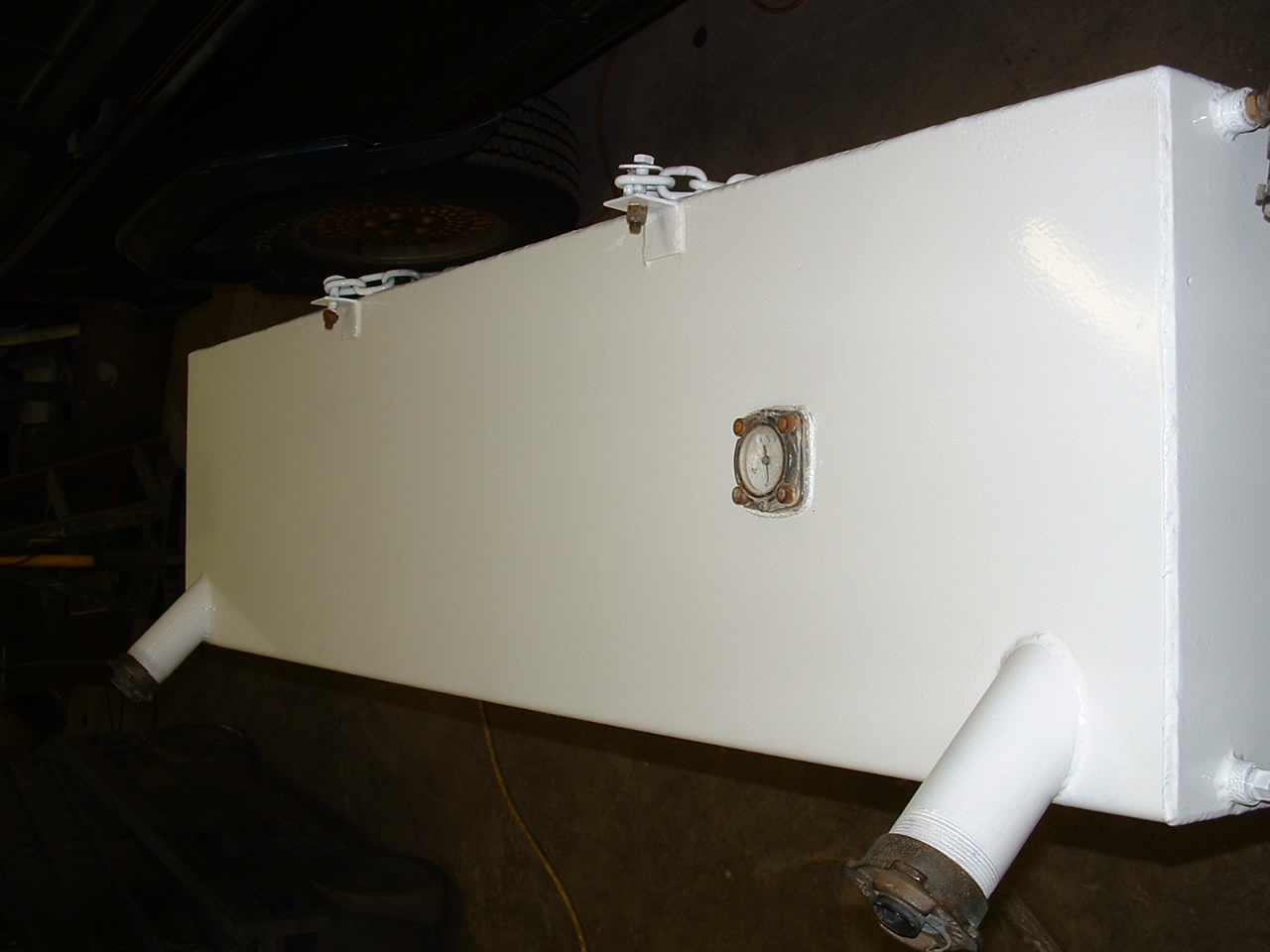
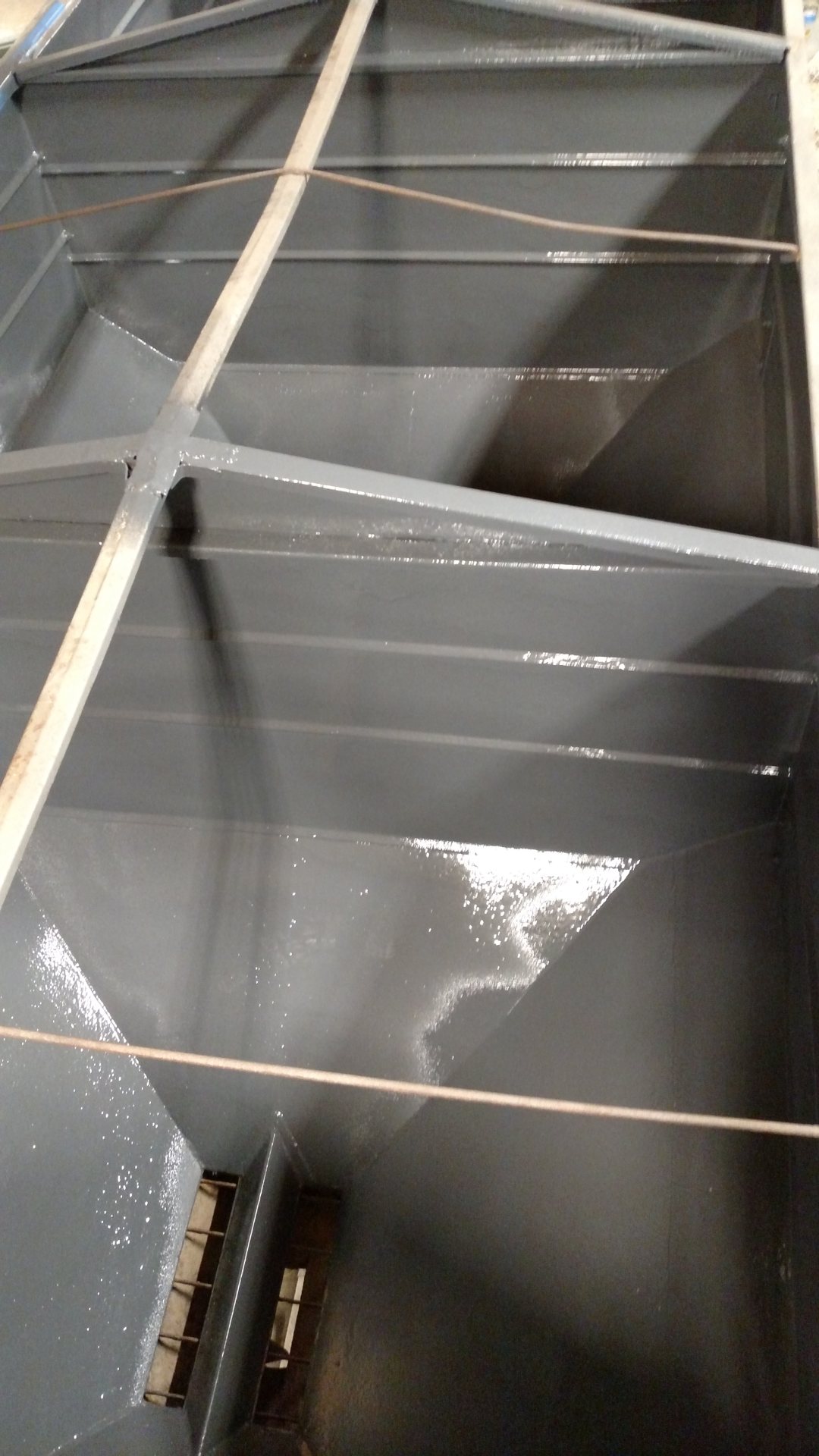
Real jobs, sprayed with Oak Ridge material.

Where Oak Ridge fits in.
We are a manufacturer and distributor that has been equipping applicators since 1984. Here is the honest list of what that means for someone starting out.
Equipment and spray rigs
We are a Graco authorized distributor and stock PMC and IPM equipment, guns, hoses, transfer pumps and parts. We also build custom rigs in-house — trailer, gooseneck or box truck — and we sell certified pre-owned equipment when a new machine is not the right first step. Use the rig builder to spec one and get a quote.
Build a rig →Materials, direct from the manufacturer
Closed-cell and open-cell foam, polyurea systems, silicone and acrylic roof coatings, polyaspartic and epoxy floor systems, bed liner, primers, sealants, solvents and cleaners. Manufactured and shipped nationwide, with full SDS and TDS for every product.
Product catalog →One-day applicator training
Hands-on applicator training at our Green Lake, WI facility — live gun time on a real rig, equipment startup and shutdown, substrate prep, temperature and humidity control, pass thickness and yield. On-site crew training is available for crews of three or more. Customers who buy equipment from us often get training discounted or included.
Training details →Technical and spec support
Phone and email support from people who spray. Product selection for the substrate and climate, application parameters, troubleshooting a machine that is not behaving, and the SDS/TDS paperwork a spec or an inspector asks for.
SDS & TDS library →Dealer and supplier relationships
Our dealer program offers preferred pricing tiers, a dedicated account manager, priority training booking, parts and accessories at dealer cost and territory arrangements. A real person reviews every application within two business days and tells you honestly what territory is available.
Dealer program →Marketing help
Co-branded spec sheets and product sheets, product photography for your sales material, and co-op advertising support for qualifying dealers. Practical assets you can hand a customer — not a marketing program you pay us for.
What dealers receive →A listing that links to your website
Once you are working, we will list your company on our contractor partner directory with your services, your service area and a link to your own site. Free, and it puts you in front of people already looking for this work.
Contractor partners →What we do not do
We do not offer financing, and we are not a franchise — there is no fee to pay us, no royalty, and no "business in a box". We do not build your website, write your business plan or guarantee you an income, and we cannot issue you a contractor license. Those are yours to sort out. What we can do is make sure the rig is right, the material is right, and you know how to spray it.
Twelve guides we have already written for you.
Everything below is free, written by people who supply this trade, and considerably more detailed than this page. Start with the startup costs guide.
Money and planning
- How Much Does It Cost to Start a Spray Foam Business?A line-by-line breakdown — rig, equipment, chemical, legal, marketing and working capital — with a bare-minimum, mid-range and large-scale total.
- How to Bid a Spray Foam Insulation JobBoard-foot maths worked through with real numbers, cost per board foot, labor time estimates and the overhead most new contractors forget.
- 25 Tips for Marketing Your Spray Foam BusinessNaming, website, Google Business Profile, social, email, community advertising and the non-digital assets that still win local work.
Getting started
- How to Start a Spray Foam Insulation BusinessMarket research, business plan, insurance, training, equipment and building a supplier relationship — plus the questions new owners actually ask.
- How to Become a Spray Foam Insulation ContractorThe route in as an applicator rather than an owner: education, apprenticeship, SPFA certification, licensing and insurance.
- Get Your Spray Foam Business Ready for the YearThe checklist established applicators run before the busy season starts.
Equipment
- Understanding Spray Foam Rig OptionsPull-behind vs gooseneck vs box truck, ramp vs barn doors, flooring, insulation, and every component that goes inside.
- New or Used Spray Foam Rig?The trade-offs on your first machine, and what to inspect before buying used.
- What Is the Best Type of Spray Foam Machine?Matching proportioner output to the jobs you intend to run.
On the job
- What Contractors Need to Know About R-ValuesOpen-cell and closed-cell R-value per inch, code compliance, and how thickness and site conditions change what you actually deliver.
- Spray Foam Application TechniquesPass thickness, coverage and the technique that protects your yield.
- Boost Margins with Fast-Turnaround Polyurea Roof WorkWhy coatings work is worth adding once the rig is already paid for.
What people ask before they start
How much does it cost to start a spray foam business?
Do I need a license or certification to spray?
Can I start without buying a proportioner?
How long is the training and what does it cover?
Does Oak Ridge offer financing or a franchise?
Which trade should I start with?
What if I want to sell Oak Ridge products rather than spray them?
Tell us what you want to spray.
Send us the trade you are aiming at, the kind of work in your area and roughly what you have to spend. We will tell you what equipment that actually needs, what it costs, and whether we think the timing is right — including when the answer is "not yet".
- Response within one business day
- New and certified pre-owned equipment options
- Training booked before your first job, not after
- Nationwide shipping from Green Lake, Wisconsin